Books › Childe Harold's pilgrimage

Childe Harold's pilgrimage
a romaunt
521 pages
A brooding, atmospheric journey through the ruins of Europe with a narrator who is entirely over society but deeply in love with the sublime.
What it feels like
Reading this foundational work of Romanticism feels like wandering through the mist-shrouded ruins of Europe alongside a brilliant, deeply cynical companion. The pace is decidedly meandering, driven not by plot but by the restless, shifting tides of the narrator's internal landscape. You are immersed in a mood of profound melancholy and sublime awe, where sweeping descriptions of mountains, oceans, and fallen empires serve as mirrors for a world-weary soul. The verse itself is grand and lush, demanding to be read slowly to absorb its rhetorical power and confessional vulnerability. It is a perfect match for readers who are drawn to the aesthetics of alienation, the intoxicating beauty of the natural world, and the birth of the ultimate brooding antihero.
- Mood
- melancholic
- sublime
- restless
- atmospheric
- Tone
- brooding
- world-weary
- passionate
- introspective
- cynical
- Pace
- meandering
- Themes
- romantic alienation · the sublime power of nature · disillusionment with society · the weight of history · seeking meaning in exile
- The writing
- Sweeping, grandly structured Spenserian stanzas that balance rhetorical elevation with raw, confessional vulnerability.
- The arc
- Begins in a state of cynical exhaustion and wanders toward a solitary, awe-struck communion with the ruins of history and the vastness of nature.
- Who it's for
- Readers who crave lush, atmospheric Romanticism and feel a kinship with brooding, solitary wanderers.
Content notes
- depression and melancholy
- references to war
- existential dread
About the book
Childe Harold's Pilgrimage was the poem which brought Lord Byron public recognition. He himself disliked the poem, because he felt it revealed too much of himself. In it a young man (called childe after the medieval term for a candidate for knighthood) travels to distant lands to relieve the boredom and weariness brought on by a life of dissipation. It is thought to be a comment on the post-Revolutionary and -Napoleonic generation, who were weary of war.
Description from Open Library.
Books like Childe Harold's pilgrimage
See why they match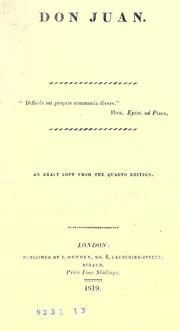 Don JuanGeorge Gordon Byron Baron ByronA sprawling, cynical, and hilariously digressive poetic romp through the hypocrisies of high society and the absurdities of human desire.
 PoemsPercy Bysshe ShelleyA scholarly and reverent immersion into the uncompromising spirit and textual legacy of a legendary poet.
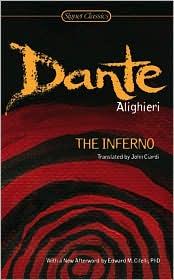 InfernoDante AlighieriA methodical, awe-inspiring descent into the darkest architectures of human sin and divine retribution.
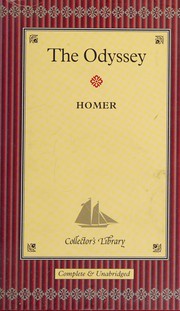 The OdysseyHomerA sweeping, poetic journey through mythological trials fueled by the enduring longing for home.
 ChaucerGeoffrey ChaucerA highly practical, studious guide designed to help researchers navigate the digital encoding of medieval poetry.
 PoemsWilliam WordsworthA quiet, soul-stirring walk through the English countryside that transforms ordinary landscapes into sites of profound spiritual awakening.