Books › Don Juan
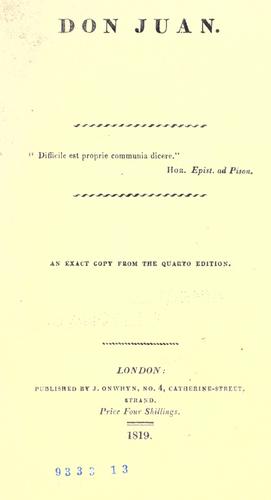
Don Juan
1819 pages
A sprawling, cynical, and hilariously digressive poetic romp through the hypocrisies of high society and the absurdities of human desire.
What it feels like
Reading this epic feels like sitting in a tavern with the most brilliant, cynical, and gossipy aristocrat of the nineteenth century. The pace is delightfully meandering, constantly pausing the grand adventure to deliver sharp, witty digressions on politics, rival poets, and the sheer absurdity of human nature. The atmosphere is exuberant and theatrical, soaked in a worldly bawdiness that strips away the romantic illusions of the era. Its genius lies in the verse itself, an agile, conversational ottava rima that lands absurd, laugh-out-loud rhymes with effortless grace. It is a sprawling, irreverent masterpiece that delights readers who love biting social satire, breaking the fourth wall, and a narrator who refuses to take anything, least of all himself, seriously.
- Mood
- exuberant
- theatrical
- bawdy
- worldly
- Tone
- satirical
- irreverent
- witty
- cynical
- conversational
- Pace
- meandering
- Themes
- societal hypocrisy · absurdity of romance · human folly · loss of innocence · fickleness of fame
- The writing
- Masterfully agile ottava rima that blends elevated poetic diction with conversational slang, absurd rhymes, and constant, winking digressions.
- The arc
- Transitions from the breathless naivety of youthful romance to a sharp, worldly cynicism that laughs at the absurdity of it all.
- Who it's for
- Lovers of biting literary satire and sprawling, digressive epics who appreciate a narrator who constantly breaks the fourth wall to mock his own era.
Content notes
- sexual innuendo
- slavery
- war and violence
- shipwreck and peril
About the book
Byron's exuberant masterpiece tells of the adventures of Don Juan, beginning with his illicit love affair at the age of sixteen in his native Spain and his subsequent exile to Italy. Following a dramatic shipwreck, his exploits take him to Greece, where he is sold as a slave, and to Russia, where he becomes a favourite of the Empress Catherine who sends him on to England. Written entirely in ottava rima stanza form, Byron's Don Juan blends high drama with earthy humour, outrageous satire of his contemporaries (in particular Wordsworth and Southey) and sharp mockery of Western societies, with England coming under particular attack.
Description from Open Library.
Books like Don Juan
See why they match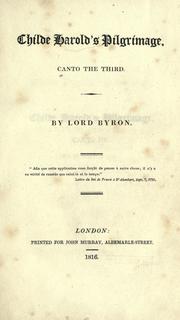 Childe Harold's pilgrimageLord George Gordon ByronA brooding, atmospheric journey through the ruins of Europe with a narrator who is entirely over society but deeply in love with the sublime.
 The Rape of the LockAlexander PopeA glittering, razor-sharp mock-epic that elevates a petty high-society squabble to the heights of mythological drama.
 Rogue's DelightElizabeth JacksonA sparkling romp through the ballrooms of Regency London, where sharp wits and scandalous historical figures collide in a delightful guardian-ward romance.
 The Complete Poems of John KeatsJohn KeatsA lush, sensory immersion into the heights of Romantic imagination and the profound beauty of the natural world.
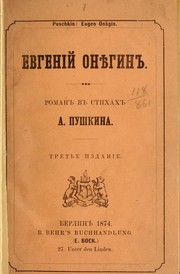 Evgeniĭ OneginAleksandr Sergeevich PushkinA sparkling, bittersweet waltz through 19th-century Russian high society, where cynical detachment ultimately yields to the crushing weight of missed chances.
 LodoreMARY WOLLSTONECRAFT. SHELLEYA quiet, deeply felt exploration of women navigating the suffocating expectations of 19th-century society and the heavy shadow of romantic idealism.