Books › Chto delatʹ?
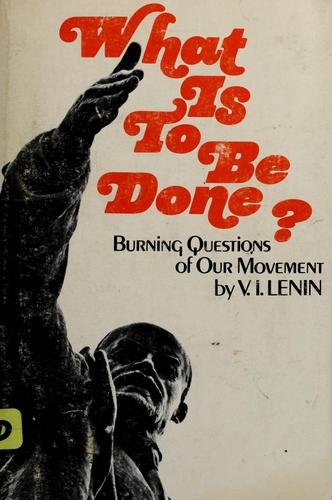
Chto delatʹ?
First published 1922 · 334 pages
A fiery, uncompromising blueprint for revolution that demands absolute ideological clarity and strategic discipline.
What it feels like
Reading this foundational political text feels like sitting in the front row of a heated, high-stakes debate. The atmosphere is tense and intellectually charged, driven by an urgent need to clarify ideological boundaries and forge a path forward. The prose is sharp, relentlessly argumentative, and often laced with biting sarcasm as it dismantles opposing viewpoints. It is not a leisurely read, but rather a brisk, demanding exercise in strategic thinking and political organization. The emotional texture is one of uncompromising resolve, shifting from frustration with the status quo to a commanding, visionary blueprint for action. It will deeply engage students of history, political theorists, and anyone fascinated by the mechanics of revolutionary movements and the power of disciplined vanguardism.
- Mood
- intellectually charged
- tense
- revolutionary
- serious
- Tone
- polemical
- urgent
- didactic
- uncompromising
- analytical
- Pace
- brisk
- Themes
- revolutionary strategy · class consciousness · political organization · ideological purity · vanguardism
- The writing
- Sharp, highly rhetorical, and densely argumentative, characterized by biting sarcasm and relentless logical progression.
- The arc
- Begins with a frustrated critique of ideological drift and builds toward a resolute, commanding vision for disciplined action.
- Who it's for
- Readers fascinated by political theory, historical strategy, and the foundational mechanics of revolutionary movements.
Content notes
- discussions of political violence
- ideological conflict
About the book
Translation of Chto delatâ?
The present English translation of V. I. Lenin's What Is To Be Done? is taken from the text given in the 1952 edition of the pamphlet by the same name, published in Moscow, with changes according to other English translations of the pamphlet. The notes at the end of the book are based on those given in the Moscow edition and in the Chinese edition published by the Peoples's Publishing House, Peking, March 1965
Includes bibliographical references
Description from Open Library.
Books like Chto delatʹ?
See why they match State and RevolutionVladimir Ilyich LeninA fiercely urgent, unapologetic blueprint for dismantling the machinery of the state.
 The Marx-Engels readerRobert C. TuckerA dense, fiery plunge into the foundational texts of systemic critique and revolutionary thought.
 Manifest der Kommunistischen ParteiKarl Marx and Friedrich EngelsA fiery, rhetorically charged pamphlet that diagnoses the engine of history and demands a radical reimagining of society.
 Mao Tŝe-tung's quotationsMao ZedongA pocket-sized arsenal of militant maxims designed to mobilize the masses and dismantle the old world.
 Die Entwicklung des Sozialismus von der Utopie zur WissenschaftFriedrich EngelsA forceful, clarifying distillation of revolutionary theory that grounds lofty ideals in the gritty reality of historical materialism.
 Critique of the Gotha programKarl MarxA sharp, uncompromising intellectual dismantling of political half-measures that demands a radical reimagining of society.