Books › Mao Tŝe-tung's quotations
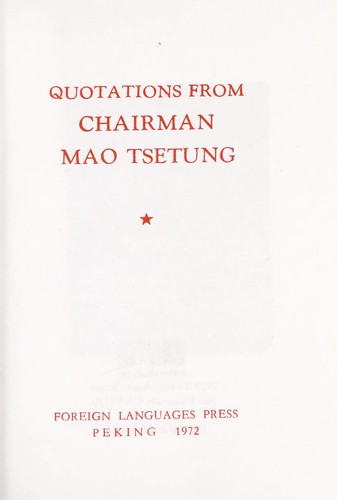
Mao Tŝe-tung's quotations
First published 1967 · 370 pages
A pocket-sized arsenal of militant maxims designed to mobilize the masses and dismantle the old world.
What it feels like
Reading this collection feels less like engaging with a traditional text and more like holding a charged historical artifact. The experience is brisk but heavy, built entirely on short, blunt aphorisms designed for mass memorization and absolute ideological clarity. There is no room for nuance here; the atmosphere is fiercely militant, uncompromising, and soaked in revolutionary fervor. The prose hammers its points home with rhythmic repetition, immersing you in a stark worldview where every human action is a political statement and class struggle is the ultimate reality. It will deeply fascinate students of history, political science, and 20th-century mass movements, offering an unfiltered, visceral glimpse into the rhetoric that mobilized millions and fueled the Cultural Revolution.
- Mood
- fervent
- militant
- uncompromising
- ideological
- Tone
- authoritative
- didactic
- revolutionary
- dogmatic
- earnest
- Pace
- brisk
- Themes
- class struggle · revolutionary zeal · collective action · anti-imperialism · ideological purity
- The writing
- Aphoristic, blunt, and highly rhetorical, crafted specifically for mass memorization and absolute ideological clarity.
- The arc
- Begins with a stark diagnosis of societal oppression and builds into a relentless, fervent demand for collective uprising and ideological triumph.
- Who it's for
- Readers fascinated by 20th-century political history, Marxist-Leninist ideology, and the mechanics of mass revolutionary movements.
Content notes
- political violence
- class warfare
- ideological extremism
- war themes
About the book
Quotations from Chairman Mao Tse-tung (simplified Chinese: 毛主席语录; traditional Chinese: 毛主席語錄; pinyin: Máo Zhǔxí Yǔlù) is a book of statements from speeches and writings by Mao Zedong (formerly romanized as Mao Tse-tung), the former Chairman of the Chinese Communist Party, published from 1964 to about 1976 and widely distributed during the Cultural Revolution.
The most popular versions were printed in small sizes that could be easily carried and were bound in bright red covers, thus commonly becoming known internationally as the Little Red Book.
Description from Open Library.
Books like Mao Tŝe-tung's quotations
See why they match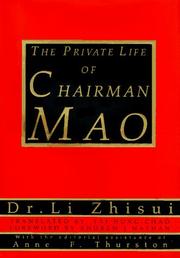 The private life of Chairman MaoLi ZhisuiA claustrophobic, fly-on-the-wall descent into the paranoid and decadent inner sanctum of absolute power.
 MaoJon HallidayA relentless, chilling dismantling of a historical titan that exposes the staggering human cost of absolute power.
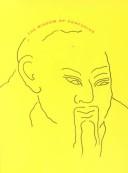 Lun yüConfuciusA quiet, fragmented conversation with an ancient master about how to live a good, honorable life in a complex world.
 Lao TzuUrsula K. Le GuinA serene and poetic meditation on ancient wisdom, guiding the reader toward spiritual harmony and quiet reflection.
 Manifest der Kommunistischen ParteiKarl Marx and Friedrich EngelsA fiery, rhetorically charged pamphlet that diagnoses the engine of history and demands a radical reimagining of society.
 The Marx-Engels readerRobert C. TuckerA dense, fiery plunge into the foundational texts of systemic critique and revolutionary thought.