Books › Chto takoe iskusstvo? / What is art?

Chto takoe iskusstvo? / What is art?
339 pages
A fierce, uncompromising dismantling of aesthetic elitism that demands art serve the highest moral purpose of human unity.
What it feels like
Reading this treatise feels like sitting across from a brilliant, uncompromising elder statesman of literature as he systematically tears down the very foundations of his own life's work. The pace is steady and methodical, driven by a fierce moral urgency rather than narrative momentum. The atmosphere is austere and intellectually rigorous, stripped of artistic pretension to focus entirely on the ethical weight of human creation. The prose is clear, forceful, and deeply polemical, challenging the reader to abandon elitist notions of beauty in favor of art as a conduit for universal empathy and spiritual truth. It will deeply satisfy readers who crave passionate, contrarian philosophy and those fascinated by the intersection of aesthetics, morality, and the human soul.
- Mood
- contemplative
- intellectually rigorous
- austere
- Tone
- earnest
- didactic
- passionate
- polemical
- uncompromising
- Pace
- steady
- Themes
- the moral purpose of creation · spiritual unity through feeling · rejection of elitism · the intersection of ethics and aesthetics
- The writing
- Clear, forceful, and relentlessly logical, marked by a characteristic moral urgency and persuasive rhetoric.
- The arc
- Moves from a rigorous dismantling of traditional aesthetic theories to a passionate, spiritually charged vision of universal human connection.
- Who it's for
- Readers fascinated by the intersection of philosophy, morality, and art, who appreciate bold, contrarian arguments from literary giants.
About the book
What Is Art? is an 1897 philosophical treatise by Leo Tolstoy that lays out his philosophy of aesthetics. Rejecting notions of aesthetics that center around beauty, Tolstoy instead posits that art is defined by its role in transmitting feelings between human beings. Furthermore, he argues that the quality of art is not assessed by the pleasure it gives, but whether the feelings the art evokes align with the meaning of life revealed by a given society’s religious perception. In line with his spiritual views set out in The Kingdom of God Is Within You, Tolstoy argues that the proper purpose of art is to transmit feelings of human unity and “to set up, in place of the existing reign of force, that kingdom of God, i.e. of love, which we all recognize to be the highest aim of human life.” Tolstoy makes a number of unconventional aesthetic judgments in the course of the book, dismissing such works as Wagner’s operas, Romeo and Juliet, and his own past works like War and Peace and Anna Karenina as “bad art.” In turn, he praises such works as Dickens’ A Christmas Carol and Hugo’s Les Misérables as “examples of the highest art, flowing from the love of God and the love of man.”
Description from Open Library.
Books like Chto takoe iskusstvo? / What is art?
See why they match VoskresenīeTolstoy, LeoA sweeping, morally urgent epic that wrestles with the crushing weight of systemic injustice and the arduous path to personal redemption.
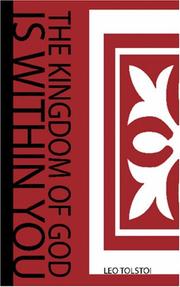 The Kingdom of God Is Within YouTolstoy, LeoA fierce, uncompromising manifesto that strips away institutional dogma to locate the divine in radical, nonviolent individual action.
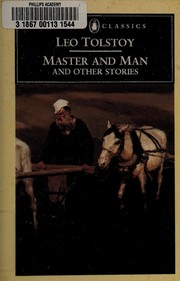 Khozi͡ain i rabotnikЛев ТолстойA claustrophobic, snow-blind journey that strips away worldly illusions to reveal the raw, beating heart of human connection.
 The sense of beautyGeorge SantayanaA lyrical, deeply intellectual meditation on why human beings are wired to find pleasure in the forms and colors of the world.
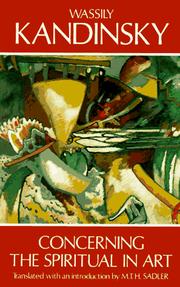 Concerning the spiritual in artWassily KandinskyA visionary manifesto that transforms the act of painting into a profound spiritual awakening.
 OrthodoxyG. K. ChestertonA joyful, paradoxical romp through the landscape of modern philosophy that ends in the surprising discovery of ancient faith.