Books › Voskresenīe

Voskresenīe
First published 2006 · 919 pages
A sweeping, morally urgent epic that wrestles with the crushing weight of systemic injustice and the arduous path to personal redemption.
What it feels like
Reading this final major work by a literary master feels like embarking on a profound moral pilgrimage. The narrative moves at a steady, deliberate pace, carrying the reader through the opulent drawing rooms of the aristocracy down into the bleak, oppressive depths of the penal system. The atmosphere is somber and heavily reflective, steeped in an earnest indignation at societal hypocrisy. The prose is stripped of romanticism, replaced by a direct, forceful clarity that demands the reader grapple with uncomfortable truths about privilege, guilt, and systemic cruelty. It is a heavy, spiritually yearning experience, perfect for readers who crave sweeping nineteenth-century realism that doubles as a passionate philosophical treatise on atonement and the arduous, unglamorous work of true redemption.
- Mood
- somber
- reflective
- oppressive
- spiritually yearning
- Tone
- earnest
- didactic
- philosophical
- indignant
- compassionate
- Pace
- steady
- Themes
- guilt and atonement · systemic injustice · spiritual awakening · class disparity · moral responsibility · institutional hypocrisy
- The writing
- Direct, unadorned, and morally forceful, prioritizing clarity and philosophical weight over lyrical flourish.
- The arc
- Moves from a state of complacent privilege through profound guilt and disillusionment, culminating in a difficult but earnest spiritual rebirth.
- Who it's for
- Readers who appreciate sweeping nineteenth-century Russian literature and are drawn to deep moral inquiries, social critique, and stories of personal redemption.
Content notes
- prostitution
- wrongful conviction
- prison conditions
- poverty
- systemic oppression
About the book
Resurrection, the last full-length novel written by Leo Tolstoy, was published in 1899 after ten years in the making. A humanitarian cause—the pacifist Doukhobor sect, persecuted by the Russian government, needed funds to emigrate to Canada—prompted Tolstoy to finish the novel and dedicate its ensuing revenues to alleviate their plight. Ultimately, Tolstoy’s actions were credited with helping hundreds of Doukhobors emigrate to Canada. The novel centers on the relationship between Nekhlúdoff, a Russian landlord, and Máslova, a prostitute whose life took a turn for the worse after Nekhlúdoff wronged her ten years prior to the novel’s events. After Nekhlúdoff happens to sit in the jury for a trial in which Máslova is accused of poisoning a merchant, Nekhlúdoff begins to understand the harm he has inflicted upon Máslova—and the harm that the Russian state and society inflicts upon the poor and marginalized—as he embarks on a quest to alleviate Máslova’s suffering. Nekhlúdoff’s process of spiritual awakening in Resurrection serves as a framing for many of the novel’s religious and political themes, such as the hypocrisy of State Christianity and the injustice of the penal system, which were also the subject of Tolstoy’s nonfiction treatise on Christian anarchism, The Kingdom of God Is Within You. The novel also explores the “single tax” economic theory propounded by the American economist Henry George, which drives a major subplot in the novel concerning the management of Nekhlúdoff’s estates.
Description from Open Library.
Books like Voskresenīe
See why they match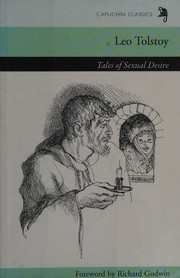 The Kreutzer sonata and other storiesLeo TolstoyA feverish, uncompromising plunge into the dark extremes of human passion, jealousy, and moral absolutism.
 Chto takoe iskusstvo? / What is art?Tolstoy, LeoA fierce, uncompromising dismantling of aesthetic elitism that demands art serve the highest moral purpose of human unity.
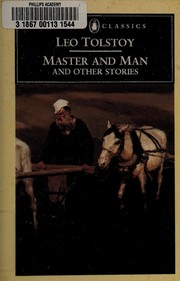 Khozi͡ain i rabotnikЛев ТолстойA claustrophobic, snow-blind journey that strips away worldly illusions to reveal the raw, beating heart of human connection.
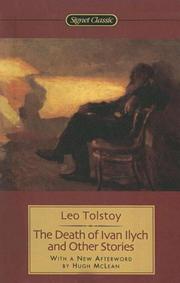 The Death of Ivan Ilych and other storiesgraf Leo TolstoyA piercing, unsparing confrontation with mortality that strips away the illusions of a comfortable life to reveal the raw necessity of spiritual truth.
 War and Peacegraf Leo TolstoyAn all-encompassing immersion into the messy, beautiful, and tragic flow of human history and the search for a meaningful life.
 Sons and LoversDavid Herbert LawrenceA visceral, psychologically intense exploration of a young man suffocating under the weight of his mother's all-consuming love.