Books › City

City
320 pages
A gentle, mythic journey through deep time, where the fading echoes of humanity are remembered only in the fireside legends of uplifted dogs.
What it feels like
Reading this book feels like sitting by a dying fire, listening to ancient myths about a forgotten species. It unfolds with a leisurely, pastoral serenity that is rare in science fiction, trading laser battles and galactic empires for quiet porches, loyal robots, and the slow, inevitable passage of deep time. The prose is gentle and elegiac, wrapping the reader in a wistful melancholy as humanity slowly fades from the cosmic stage, leaving the Earth to uplifted dogs and immortal machines. It is a deeply philosophical and atmospheric experience, evoking a sense of profound nostalgia for a future that never was. This is a perfect read for those who love the lyrical, mythic qualities of classic sci-fi and crave a story that lingers like a haunting, beautiful dream.
- Mood
- pastoral
- wistful
- serene
- contemplative
- haunting
- Tone
- elegiac
- philosophical
- gentle
- mythic
- melancholic
- Pace
- leisurely
- Themes
- the passage of deep time · obsolescence of humanity · nature of myth and legend · animal companionship · search for utopia
- The writing
- Simple, lyrical, and imbued with a quiet, mid-century pastoral elegance.
- The arc
- Moves from a nostalgic hopefulness about human progress into a profound, peaceful melancholy as humanity fades into myth.
- Who it's for
- Readers who love classic, philosophical sci-fi that prioritizes mood, deep time, and gentle melancholy over action-packed space opera.
Content notes
- existential dread
- abandonment
- animal death
About the book
Comment by John Clute:
> We know better now, of course. But they still entrance us, the old page-turners from the glory days of American SF, half a century or so ago, when the world was full of futures we were never going to have. In the mid-1940s, when he began to publish the episodes that would be assembled as City in 1952, Clifford Simak, a Minneapolis-based journalist and author, could still carry us away with the dream that cars and pollution and even the great cities of the world – "Huddling Place", the title of one of these tales, is his own derisory term for them – would soon be brushed off the map by Progress, leaving nothing behind but tasteful exurbs filled with middle-class nuclear families living the good life, with fishing streams and greenswards sheltering each home from the stormy blast.
> Fortunately, Simak soon gets past this demented vision of a near-future world saved by technological fixes, a dementia common then to SF writers and gurus and politicians alike, and launches into an astonishingly eventful narrative of the next 10,000 years as seen through the eyes of one family and the immortal robot Jenkins, and all told with a weird pastoral serenity that for a kid like me seemed near to godlike. In its course City touches on almost everything dear to 1940s SF, and to me remembering. Robots. Genetic Engineering. Space. Jupiter. Domed cities. Keeps. Hiveminds. Matter transmission. Telepathy. Parallel worlds. Paranormal empathy. Mutants. Supermen. It's all there, and, thanks to Simak's skilled hand at the wheel, it's all in place: suave, sibylline, swift. The whole is framed as a series of legends told by the uplifted Dogs who have replaced the human race, now gone for ever. They have been bred not to kill. At the end, only Jenkins remains to keep them from learning how to repeat history and die.
> It all seemed immensely sad and wise then, but fun. It still does.
Description from Open Library.
Books like City
See why they match All Flesh Is GrassClifford D. SimakA quiet small town unravels as beautiful purple flowers reveal a gateway to an eerie, musical alternate dimension.
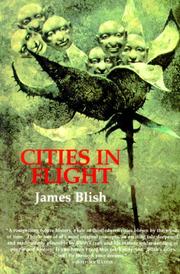 Cities in FlightJames BlishA sweeping, melancholic journey across deep time and space, exploring the ultimate destiny of humanity as it drifts among the stars.
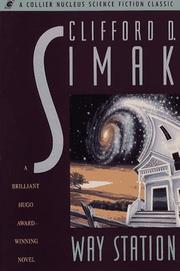 Way stationClifford D. SimakA gentle, pastoral meditation on humanity's place in the cosmos, viewed from the quiet porch of an isolated farmhouse.
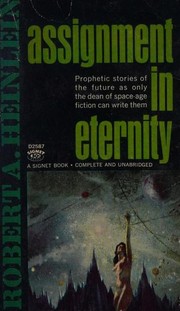 Assignment in EternityRobert Anson HeinleinA retro-futuristic thrill ride through secret societies, alternate dimensions, and the untapped powers of the human mind.
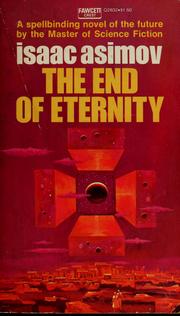 The End of EternityIsaac AsimovA mind-bending temporal puzzle that asks whether a perfectly safe, engineered reality is actually a cage.
 Permutation CityGreg EganA dizzying plunge into the deep end of hard science fiction that will leave you questioning the fundamental nature of your own consciousness.