Books › Computer organization

Computer organization
First published 1978 · 805 pages
A rigorous, foundational journey into the physical and logical architecture that makes digital computing possible.
What it feels like
Reading this foundational text feels like being handed the blueprints to the modern digital world. The pace is necessarily steady and deliberate, demanding focus as it builds from basic logic circuits to complex system architectures. There is a distinctively cerebral, utilitarian mood here; the text does not coddle the reader, but rather respects their intelligence with precise, authoritative prose. The emotional reward comes not from narrative twists, but from the sudden, satisfying click of comprehension when abstract concepts of memory, processing, and hardware suddenly align into a coherent whole. It is a deeply structured, methodical experience designed for the dedicated student or engineer who finds beauty in the rigorous logic of machine organization.
- Mood
- cerebral
- structured
- focused
- utilitarian
- Tone
- academic
- authoritative
- methodical
- objective
- instructive
- Pace
- steady
- Themes
- structural logic · the anatomy of machines · foundational systems · hardware abstraction
- The writing
- The writing is dense, precise, and unapologetically technical, prioritizing clarity and logical progression over stylistic flair.
- The arc
- The reader moves from a daunting sense of complexity to a satisfying, grounded comprehension of how digital systems physically operate.
- Who it's for
- Computer science students, hardware enthusiasts, and engineers looking to understand the fundamental building blocks of digital computing.
Books like Computer organization
See why they match Digital designM. Morris ManoA rigorous, step-by-step descent into the fundamental logic gates that power the modern digital world.
 Parallel algorithms for regular architecturesRuss MillerA rigorous, cerebral deep dive into the mathematical elegance and structural logic of parallel computing.
 C programmingKim N. KingA lucid, methodical journey into the bedrock of modern computing that transforms intimidation into structural mastery.
 Advanced Research in VLSICarlo H. SéquinA deep, methodical dive into the foundational architecture of modern computing hardware.
 Introduction to VLSI circuits and systemsJohn P. UyemuraA methodical and structured journey into the architecture of digital electronics and integrated systems.
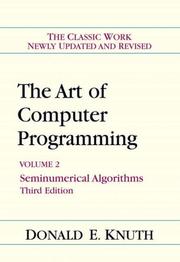 The art of computer programmingDonald KnuthA monumental, intellectually demanding pilgrimage into the mathematical soul of computation.