Books › Digital design

Digital design
First published 1984 · 608 pages
A rigorous, step-by-step descent into the fundamental logic gates that power the modern digital world.
What it feels like
Reading this book feels like constructing a skyscraper from the molecular level up. The experience is methodical and uncompromising, demanding absolute focus as it guides you through Boolean algebra, Karnaugh maps, and sequential circuits. There is a distinct, quiet satisfaction to be found in its pages: the thrill of finally demystifying the black box of computing. The prose is dry but exceptionally clear, serving as a reliable, precise blueprint rather than a narrative journey. You are immersed in an atmosphere of pure, structured logic, entirely devoid of ambiguity. This is a foundational, rigorous text for the analytically minded, rewarding patient, deliberate study with a profound, ground-up comprehension of how simple ones and zeros orchestrate the entire digital universe.
- Mood
- structured
- intellectual
- rigorous
- focused
- Tone
- academic
- precise
- authoritative
- objective
- instructional
- Pace
- steady
- Themes
- systematic problem solving · foundational logic · the architecture of computation · demystifying technology
- The writing
- Methodical, dry, and highly technical, prioritizing absolute clarity and precision over stylistic flourish.
- The arc
- Moves from the daunting complexity of abstract concepts to the satisfying clarity of structured, logical understanding.
- Who it's for
- Computer science and engineering students, or dedicated autodidacts, who want a rigorous, no-nonsense foundation in hardware logic.
About the book
Includes bibliographical references and index. Chapters 1-7 and 10 originally published as part of the author's Digital logic and computer design, c1979.
Description from Open Library.
Books like Digital design
See why they match Digital circuits and logic designSamuel C. LeeA structured, foundational journey into the building blocks of modern computing that rewards methodical study with deep conceptual clarity.
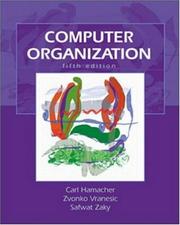 Computer organizationV. C. HamacherA rigorous, foundational journey into the physical and logical architecture that makes digital computing possible.
 Computer Organization and DesignJohn L. Hennessy and David A. PattersonA rigorous, illuminating descent through the layers of abstraction that make modern computing possible.
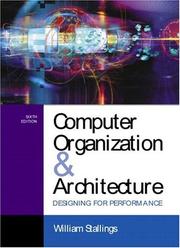 Computer organization and architectureWilliam StallingsA rigorous, foundational journey into the very bones and logic of modern computing machinery.
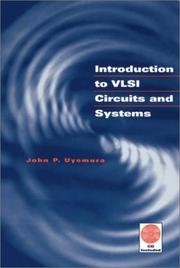 Introduction to VLSI circuits and systemsJohn P. UyemuraA methodical and structured journey into the architecture of digital electronics and integrated systems.
 Advanced Research in VLSICarlo H. SéquinA deep, methodical dive into the foundational architecture of modern computing hardware.