Books › Consider the fork

Consider the fork
416 pages
A delightful, inquisitive journey through the kitchen drawer that transforms mundane utensils into artifacts of human ingenuity.
What it feels like
Reading this book feels like sitting at a worn wooden kitchen table with a brilliantly knowledgeable friend who can spin a fascinating yarn out of a simple wooden spoon. The pace is steady and inviting, allowing you to savor the rich historical anecdotes and anthropological insights without ever feeling bogged down by academic jargon. It cultivates a mood of cozy intellectual stimulation, wrapping the reader in the comforting, domestic warmth of the kitchen while simultaneously expanding their worldview. The prose is witty, warm, and deeply inquisitive, turning the mundane tools we use every day into testaments of human survival and creativity. It is an absolute delight for curious home cooks, micro-history enthusiasts, and anyone who loves discovering the profound stories hidden in plain sight.
- Mood
- cozy
- intellectually stimulating
- domestic
- nostalgic
- Tone
- witty
- inquisitive
- warm
- erudite
- accessible
- Pace
- steady
- Themes
- human ingenuity · evolution of domestic life · hidden history of the everyday · culture and technology · culinary anthropology
- The writing
- The prose is conversational and richly anecdotal, effortlessly translating meticulous historical research into a warm, inviting narrative.
- The arc
- The reader moves from casual curiosity about everyday objects to a profound, lingering appreciation for the generations of human ingenuity that shaped our modern kitchens.
- Who it's for
- Curious home cooks and fans of micro-history who love discovering the profound backstories hidden within mundane household objects.
About the book
Since prehistory, humans have braved sharp knives, fire, and grindstones to transform raw ingredients into something delicious—or at least edible. Tools shape what we eat, but they have also transformed how we consume, and how we think about, our food. In Consider the Fork, award-winning food writer Bee Wilson provides a wonderful and witty tour of the evolution of cooking around the world, revealing the hidden history of everyday objects we often take for granted. Technology in the kitchen does not just mean the Pacojets and sous-vide of the modernist kitchen, but also the humbler tools of everyday cooking and eating: a wooden spoon and a skillet, chopsticks and forks. Blending history, science, and anthropology, Wilson reveals how our culinary tools and tricks came to be, and how their influence has shaped modern food culture. The story of how we have tamed fire and ice and wielded whisks, spoons, and graters, all for the sake of putting food in our mouths, Consider the Fork is truly a book to savor. Publisher
Description from Open Library.
Books like Consider the fork
See why they match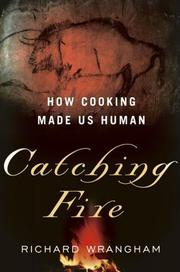 Catching fireRichard WranghamA paradigm-shifting exploration of how the simple act of cooking transformed our ancestors into modern humans.
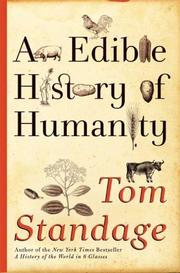 An edible history of humanityTom StandageA sweeping, accessible journey that transforms the contents of your pantry into a map of human civilization.
 Food in historyReay TannahillA sweeping journey through human history, told through the universal lens of what we eat and how we gather.
 CookedMichael PollanA sensory, philosophical journey into the kitchen that transforms the everyday act of cooking into elemental magic.
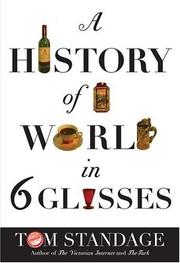 A history of the world in 6 glassesTom StandageA lively, conversational journey through human history that reveals how our favorite beverages shaped the modern world.
 The rituals of dinnerMargaret VisserAn analytical exploration that transforms the mundane act of eating into a fascinating study of human culture and social choreography.