Books › Catching fire

Catching fire
First published 2009 · 309 pages
A paradigm-shifting exploration of how the simple act of cooking transformed our ancestors into modern humans.
What it feels like
Reading this book feels like sitting around a prehistoric hearth while a brilliant anthropologist reshapes your understanding of human history. The pace is steady and methodical, building a persuasive, thought-provoking case that challenges long-held assumptions about our evolutionary success. Instead of focusing solely on intelligence or adaptability, the narrative shifts the spotlight to the transformative power of cooking. The mood is intellectually stimulating and revelatory, inviting the reader to look at their own dinner plate through the lens of deep time. Written with clear, accessible prose, it traces the biological and social ripples of roasted food, from shrinking digestive tracts to the birth of the household. It is a fascinating read for anyone curious about the ancient origins of our modern eating habits.
- Mood
- intellectually stimulating
- curious
- revelatory
- Tone
- informative
- thought-provoking
- analytical
- persuasive
- Pace
- steady
- Themes
- the origins of humanity · the transformative power of food · evolutionary biology · the intersection of biology and culture
- The writing
- Clear, accessible, and grounded in scientific inquiry, presenting complex evolutionary theories with engaging clarity.
- The arc
- Moves from a familiar understanding of human origins to a startling, paradigm-shifting realization about the power of the hearth.
- Who it's for
- Readers fascinated by human evolution, anthropology, and the deep historical roots of our modern eating habits.
Content notes
- discussions of prehistoric diets
About the book
Ever since Darwin and The Descent of Man, the existence of humans has been attributed to our intelligence and adaptability. But in Catching Fire, renowned primatologist Richard Wrangham presents a startling alternative: our evolutionary success is the result of cooking. In a groundbreaking theory of our origins, Wrangham shows that the shift from raw to cooked foods was the key factor in human evolution. When our ancestors adapted to using fire, humanity began. Once our hominid ancestors began cooking their food, the human digestive tract shrank and the brain grew. Time once spent chewing tough raw food could be sued instead to hunt and to tend camp. Cooking became the basis for pair bonding and marriage, created the household, and even led to a sexual division of labor. Tracing the contemporary implications of our ancestors’ diets, Catching Fire sheds new light on how we came to be the social, intelligent, and sexual species we are today. A pathbreaking new theory of human evolution, Catching Fire will provoke controversy and fascinate anyone interested in our ancient origins—or in our modern eating habits.
Description from Open Library.
Books like Catching fire
See why they match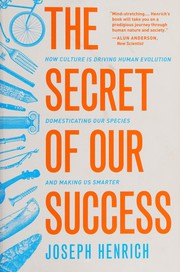 The secret of our successJoseph Patrick HenrichA paradigm-shifting exploration that dismantles the myth of the lone genius to reveal the true superpower of our species: our collective brain.
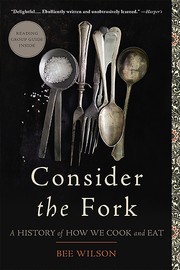 Consider the forkBee WilsonA delightful, inquisitive journey through the kitchen drawer that transforms mundane utensils into artifacts of human ingenuity.
 Against the GrainJames C. ScottA paradigm-shifting journey into deep history that completely upends the comforting myth of human progress.
 The Ape that Understood the UniverseSteve Stewart-WilliamsAn expansive, intellectually stimulating exploration of how a biological primate developed the capacity to ponder its own existence.
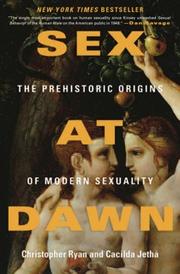 Sex at DawnChristopher RyanA witty, paradigm-shifting exploration of human evolution that gleefully dismantles the standard narrative of natural monogamy.
 Why We LoveHelen FisherAn illuminating dive into the human brain that decodes the ancient, biological machinery behind our most romantic impulses.