Books › Cries Unheard

Cries Unheard
Why Children Kill: The Story of Mary Bell
First published 1998 · 416 pages
A harrowing, deeply empathetic descent into the psychological roots of an unthinkable crime.
What it feels like
Reading this book is a heavy, profoundly unsettling experience that demands both intellectual rigor and emotional fortitude. It moves at a steady, deliberate pace, refusing the easy thrills of sensationalist true crime in favor of a meticulous, compassionate excavation of trauma. The atmosphere is undeniably bleak and somber, steeped in the tragic realities of systemic failure and childhood abuse. Yet, the narrative voice remains remarkably clear-eyed and empathetic, guiding the reader through the darkest corners of human behavior without losing sight of the humanity at its center. It is a challenging, thought-provoking journey designed for readers who want to understand the complex, often uncomfortable 'why' behind societal tragedies, leaving a lingering sense of sorrow and a deeper, uneasy understanding of moral responsibility.
- Mood
- somber
- heavy
- unsettling
- reflective
- Tone
- empathetic
- probing
- serious
- journalistic
- unflinching
- Pace
- steady
- Themes
- childhood trauma · systemic failure · the nature of evil · moral responsibility · cycle of abuse
- The writing
- Meticulous and deeply analytical, prioritizing psychological nuance and compassionate inquiry over sensationalism.
- The arc
- Begins in the chilling depths of an unthinkable crime and slowly wades through profound tragedy to reach a space of uneasy, hard-won empathy.
- Who it's for
- Readers of psychological true crime and sociology who seek to understand the root causes of human darkness rather than merely gawking at it.
Content notes
- child murder
- child abuse
- sexual abuse
- animal cruelty
- severe trauma
About the book
What brings a child to kill another child? In 1968, at age eleven, Mary Bell was tried and convicted of murdering two small boys in Newcastle upon Tyne, England. Gitta Sereny, who covered the sensational trial, never believed the characterization of Bell as the incarnation of evil, the bad seed personified. If we are ever to understand the pressures that lead children to commit serious crimes, Sereny felt, only those children, as adults, can enlighten us.
Twenty-seven years after her conviction, Mary Bell agreed to talk to Sereny about her harrowing childhood, her terrible acts, her public trial, and her years of imprisonment-to talk about what was done to her and what she did, who she was and who she became. Nothing Bell says is intended as an excuse for her crimes. But her devastating story forces us to ponder society's responsibility for children at the breaking point, whether in Newcastle, Arkansas, or Oregon.
A masterpiece of wisdom and sympathy, Gitta Sereny's wrenching portrait of a girl's damaged childhood and a woman's fight for moral regeneration urgently calls on us to hear the cries of all children at risk.
Description from Open Library.
Books like Cries Unheard
See why they match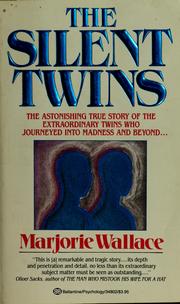 The silent twinsMarjorie WallaceA deeply unsettling and tragic plunge into a hermetically sealed world of two minds locked in a fatal, inescapable bond.
 The Suspicions of Mr. WhicherKate SummerscaleA grim, historical deep-dive into a shocking Victorian murder and the tragic toll it took on the man who tried to solve it.
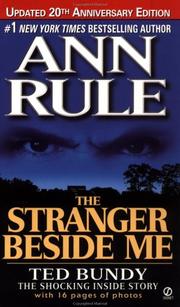 The Stranger Beside MeAnn RuleA chilling, intimate descent into the sickening realization that a trusted friend is actually a monster.
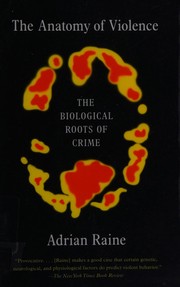 The anatomy of violenceAdrian RaineA chilling, scientifically grounded exploration of the biological roots of human evil that will fundamentally alter how you view free will.
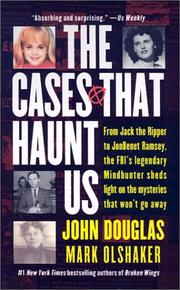 Cases That Haunt UsMark OlshakerA chilling, authoritative descent into the foundational cases of criminal psychology and the darkest realms of the human mind.
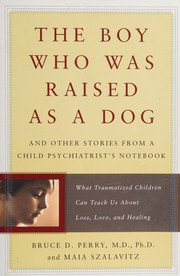 The boy who was raised as a dogBruce Duncan Perry and Maia SzalavitzA compassionate, eye-opening exploration of how extreme trauma shapes the developing brain and the innovative therapies that offer a path to healing.