Books › The anatomy of violence

The anatomy of violence
496 pages
A chilling, scientifically grounded exploration of the biological roots of human evil that will fundamentally alter how you view free will.
What it feels like
Reading this book feels like stepping into a brightly lit, slightly chilling laboratory where the darkest corners of human nature are placed under a microscope. It moves at a steady, deliberate pace, balancing the morbid fascination of true crime with the rigorous, objective clarity of neuroscience. The mood is inherently unsettling; as you delve into the brain scans of serial killers and psychopaths, the comforting illusion of absolute free will begins to fracture. The prose is accessible yet uncompromisingly scientific, translating complex biological data into gripping, narrative-driven case studies. It is a profoundly thought-provoking experience designed for readers who aren't just looking for the gruesome details of a crime, but are desperate to understand the biological 'why' behind the trigger.
- Mood
- unsettling
- clinical
- chilling
- thought-provoking
- Tone
- analytical
- provocative
- objective
- inquisitive
- Pace
- steady
- Themes
- nature vs. nurture · the illusion of free will · the biological roots of evil · ethics of preemptive justice
- The writing
- Accessible and scientifically rigorous, seamlessly weaving clinical data with gripping, narrative-driven case studies.
- The arc
- Begins with morbid curiosity about notorious crimes and deepens into a profound, unsettling questioning of human agency and moral responsibility.
- Who it's for
- Fascinated by the intersection of true crime, neuroscience, and philosophy, seeking the biological 'why' behind humanity's darkest acts.
Content notes
- graphic violence
- murder
- child abuse
- sexual assault
- animal cruelty
About the book
In this book a pioneering neurocriminologist introduces the latest biological research into the causes of, and potential cures for, criminal behavior. As a leading criminologist who specializes in the neuroscience behind criminal behavior, the author introduces a wide range of new scientific research into the origins and nature of violence and criminal behavior. He explains how impairments to areas of the brain that control our ability to experience fear, make decisions, and feel empathy can make us more likely to engage in criminal behavior. He applies this new understanding of the criminal mind to some of the most well-known criminals in history. And he clearly delineates the pressing considerations this research demands: What are the causes of violence? Can it be treated? And might it one day be stopped? Are some criminals born, not made? What causes violence and how can we treat it? This book introduces new ways of looking at these age-old questions. Drawing on the latest scientific research, the author explains what it reveals about the brains of murderers, psychopaths and serial killers. While once it was thought upbringing explained all, and subsequently explanations shifted to genetics, he goes to great pains to explain that anti-social behaviour is complex, and based on the interaction between genetics and the biological and social environment in which a person is raised. But the latest statistical evidence between certain types of biological and early behavioural warning signs is also very strong. Through a series of case studies of famous criminals, he shows how their criminal behaviour might be explained on the basis of these new scientific discoveries. But the conclusions point to a host of philosophical and moral issues. What are the implications for our criminal justice system? Should we condemn and punish individuals who have little or no control over their behaviour? Should we act preemptively with people who exhibit strong biological predispositions to becoming dangerous criminals? These are among the thorny issues we can no longer ignore as our understanding of criminal behaviour grows.
Description from Open Library.
Books like The anatomy of violence
See why they match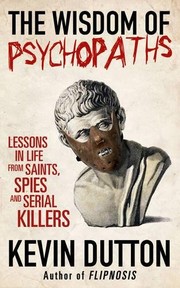 The wisdom of psychopathsKevin DuttonA provocative, darkly fascinating romp through the human brain that asks if a little bit of ruthlessness might actually be a good thing.
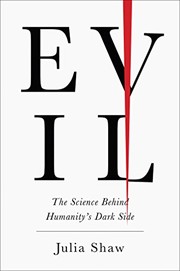 EvilJulia ShawA provocative, science-backed exploration that dismantles our cultural assumptions about what makes a person truly monstrous.
 Without conscienceRobert D. HareA chilling, eye-opening descent into the minds of human predators that will leave you questioning the motives of everyone you meet.
 How Emotions Are MadeLisa Feldman BarrettA paradigm-shifting journey into the brain that dismantles everything you thought you knew about human feeling.
 Dangerous PersonalitiesJoe Navarro and Toni Sciarra PoynterA sobering, expert-led psychological toolkit that turns vulnerability into vigilant empowerment.
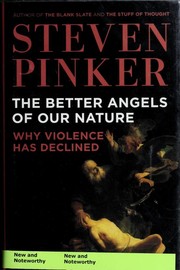 The better angels of our natureSteven PinkerA sweeping, data-driven journey through the darkest chapters of human history that ultimately builds a profound case for optimism.