Books › Criminology
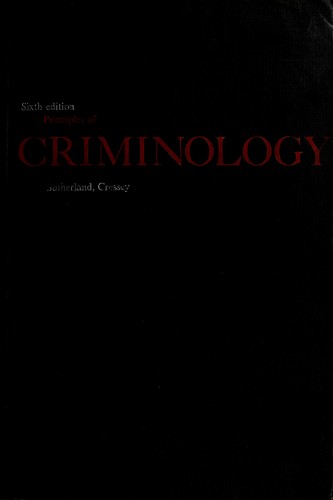
Criminology
721 pages
A foundational, deeply analytical exploration of why people break the rules and how society responds.
What it feels like
Reading this foundational text feels like stepping into a mid-century university lecture hall, where the complex, often chaotic realities of human transgression are distilled into clear, sociological frameworks. The pace is steady and methodical, demanding a contemplative mindset as it builds its arguments layer by layer. It lacks the sensationalism of modern true crime, offering instead a detached, deeply intellectual atmosphere that prioritizes objective analysis over emotional manipulation. The prose is formal and precise, designed to educate and structure thought rather than entertain. It will deeply satisfy students of sociology, aspiring criminologists, and deeply curious readers who want to look past the headlines and understand the systemic, psychological, and institutional roots of criminal behavior.
- Mood
- intellectual
- serious
- contemplative
- detached
- Tone
- academic
- objective
- analytical
- authoritative
- methodical
- Pace
- steady
- Themes
- the nature of deviance · societal structures and behavior · the mechanics of justice · institutional reform
- The writing
- Clear, formal, and highly structured, prioritizing precision and sociological framework over narrative flair.
- The arc
- Moves from a foundational curiosity about human transgression to a structured, analytical understanding of societal systems.
- Who it's for
- Students of sociology, true crime enthusiasts looking for academic grounding, and anyone fascinated by the systemic roots of criminal behavior.
Content notes
- discussions of violence
- descriptions of systemic injustice
- prison conditions
- criminal behavior
About the book
A revision of the author's textbook published in 1924 under the title, Criminology. The modification in the title seemed to be desirable because the changes made in the revision are many and fundamental. cf. Pref. "Suggested readings" at end of each chapter; "Supplementary reading for class purposes": p. v.
Description from Open Library.
Books like Criminology
See why they match CriminalisticsRichard SafersteinA methodical, clear-eyed descent into the sterile laboratories where science decodes the messy aftermath of human violence.
 SociologyJames M. HenslinAn accessible, eye-opening lens that transforms the mundane details of everyday life into a fascinating web of social forces.
 Other people's moneyDonald Ray CresseyA foundational, fascinating look into the psychological gymnastics ordinary people perform to justify stealing from their employers.
 Le suicideDurkheim, EmileA rigorous, paradigm-shifting examination of how invisible societal forces shape our most solitary and tragic decisions.
 Are Prisons Obsolete?Angela Y. DavisA short, paradigm-shifting manifesto that systematically dismantles everything you thought you knew about justice and punishment.
 Wirtschaft und GesellschaftMax WeberA monumental, intellectually demanding architecture of thought that maps the invisible forces governing human society and modern bureaucracy.