Books › Cyrano de Bergerac
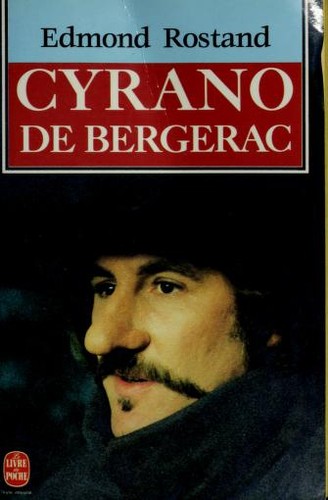
Cyrano de Bergerac
First published 1920 · 2387 pages
A dazzling display of wit and swordplay that masks a profoundly heartbreaking tale of unrequited love and hidden identity.
What it feels like
Reading this play feels like stepping into a whirlwind of grand romance and theatrical bravado. It sweeps you up in a lively atmosphere of clashing swords and rapid-fire banter before slowly pulling you into the quiet, aching shadows of unrequited love. The language is the true star here, offering a feast of dazzling wordplay and poetic grandiloquence that makes every declaration of love and every insult feel monumental. It is a briskly paced, emotionally resonant experience that transitions seamlessly from laugh-out-loud comedy to devastating tragedy. Hopeless romantics and lovers of classic swashbuckling adventures will be utterly charmed by this bittersweet exploration of honor, self-sacrifice, and the enduring power of a beautifully written letter.
- Mood
- passionate
- bittersweet
- lively
- melancholic
- Tone
- witty
- romantic
- theatrical
- tragicomic
- earnest
- Pace
- brisk
- Themes
- unrequited love · inner beauty versus outward appearance · honor and panache · the power of language · self-sacrifice
- The writing
- Lyrical and fiercely witty, characterized by dazzling wordplay, poetic grandiloquence, and rhythmic verse.
- The arc
- Moves from exuberant, swashbuckling comedy to a deeply poignant and heartbreaking tragedy of unspoken devotion.
- Who it's for
- Hopeless romantics who delight in sharp banter, grand theatrical gestures, and heroes who hide deep vulnerability behind a quick wit.
Content notes
- war and battle violence
- death of a loved one
- terminal injury
About the book
Cyrano de Bergerac, verse drama in five acts by Edmond Rostand, performed in 1897 and published the following year. It was based only nominally on the 17th-century nobleman of the same name, known for his bold adventures and large nose.
Set in 17th-century Paris, the action revolves around the emotional problems of the noble, swashbuckling Cyrano, who, despite his many gifts, feels that no woman can ever love him because he has an enormous nose. Secretly in love with the lovely Roxane, Cyrano agrees to help his inarticulate rival, Christian, win her heart by allowing him to present Cyrano’s love poems, speeches, and letters as his own work. Eventually Christian recognizes that Roxane loves him for Cyrano’s qualities, not his own, and he asks Cyrano to confess his identity to Roxane; Christian then goes off to a battle that proves fatal. Cyrano remains silent about his own part in Roxane’s courtship. As he is dying years later, he visits Roxane and recites one of the love letters. Roxane realizes that it is Cyrano she loves, and he dies content. (Britannica)
Description from Open Library.
Books like Cyrano de Bergerac
See why they match TartuffeMolièreA razor-sharp, rhyming farce that skewers hypocrisy and the hilarious consequences of letting a con artist run your life.
 Don JuanMolièreA lively, dialogue-driven exploration of a legendary figure, built on sharp exchanges and theatrical timing.
 The Unexpected DuchessValerie BowmanA sparkling, banter-filled battle of wits where a clever deception blossoms into an unexpected, swoon-worthy romance.
 Bygmester SolnessHenrik IbsenA claustrophobic and dizzying descent into the mind of a man terrified of being replaced by the youth he simultaneously craves.
 A Doll's HouseHenrik IbsenA claustrophobic descent into the cracks of a seemingly perfect marriage, culminating in a quiet but earth-shattering rebellion.
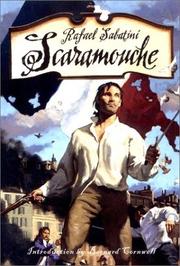 ScaramoucheRafael SabatiniA theatrical, rapier-sharp adventure where a cynic hides behind a mask to avenge a friend and accidentally becomes a hero.