Books › Dancing in the flames

Dancing in the flames
First published 1996 · 256 pages
A descent into the dark, fertile soil of the psyche to unearth the transformative power of the Divine Feminine.
What it feels like
Reading this book feels like stepping into a sacred, subterranean cave where the oldest myths of humanity are still breathing. It is a steady, deeply introspective journey that asks you to sit with the uncomfortable, chaotic energies of the shadow self. The prose is rich with Jungian symbolism and poetic reverence, weaving together history, psychology, and spirituality into a tapestry that feels both ancient and urgently modern. The mood is earthy and mystical, wrapping the reader in a transformative atmosphere that challenges rigid binaries and celebrates the messy, creative power of destruction and rebirth. It will deeply resonate with readers of Clarissa Pinkola Estés and anyone yearning to integrate their intellect with their most primal, intuitive wisdom.
- Mood
- earthy
- mystical
- introspective
- transformative
- Tone
- earnest
- reverent
- analytical
- empowering
- visionary
- Pace
- steady
- Themes
- the Divine Feminine · shadow work · integration of opposites · spiritual awakening · chaos and creativity
- The writing
- Rich, symbolic, and deeply psychological, blending academic rigor with poetic reverence for myth.
- The arc
- Moves from a deep, unsettling confrontation with the shadow self to a profound sense of integration and spiritual wholeness.
- Who it's for
- Seekers of Jungian psychology and feminist spirituality who are ready to embrace the darker, transformative aspects of the psyche.
Content notes
- discussions of trauma
- psychological distress
- death and dying metaphors
About the book
Dark, earthy, and immensely powerful, the Black Goddess has been a key force in world history, manifesting in images as diverse as the Indian goddess Kali and the Black Madonnas of medieval Europe. She embodies the energy of chaos and creativity, creation and destruction, death and rebirth.
Images of Her, however, have been conspicuously missing in the Western world for centuries - until now, when awareness of the Goddess is re-arising in many spheres, from the women's movement to traditional religion, from the new discoveries of quantum physics to the dreams of ordinary men and women. Why now particularly? The answer provided by Marion Woodman and Elinor Dickson is bold and thrilling: the reemergence of the Divine Feminine in our time indicates our readiness to move to an entirely new level of consciousness. The reemerging Goddess calls for a shattering of rigid categories, a willingness to hold opposites without opposition.
She calls us to marry reason and order to creativity, and to embrace the chaos that can ultimately lead to wisdom and transformation on personal and global levels.
Description from Open Library.
Books like Dancing in the flames
See why they match Dreaming the darkStarhawkA contemplative journey into how ancient spiritual practices can heal the modern fractures between the individual and society.
 Women Who Run with the WolvesClarissa Pinkola EstesA fierce, mythic excavation of the soul that reads like a spell to awaken your deepest, most untamed instincts.
 The Dance of AngerHarriet Goldhor LernerA compassionate, clarifying guide that transforms resentment from a source of shame into a powerful catalyst for personal boundaries.
 When God Was a WomanMerlin StoneA paradigm-shifting archaeological journey that unearths the suppressed history of the divine feminine and the origins of patriarchal myth.
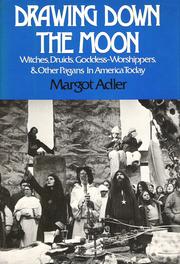 Drawing down the MoonMargot AdlerAn immersive, empathetic journey into the living rooms and forest clearings of America's modern magical revival.
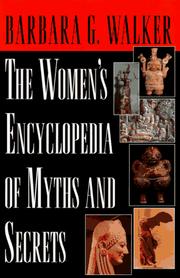 Women's Encyclopedia of Myths and SecretsBarbara G. WalkerA sprawling, subversive treasure trove that invites readers to wander through the hidden, pre-patriarchal origins of myth, magic, and language.