Books › Women Who Run with the Wolves

Women Who Run with the Wolves
First published 1992 · 784 pages
A fierce, mythic excavation of the soul that reads like a spell to awaken your deepest, most untamed instincts.
What it feels like
Reading this book feels less like studying psychology and more like sitting around an ancient hearth fire listening to a wise elder. It is a leisurely, deeply introspective journey that demands to be savored rather than rushed, often taking readers months or even years to fully digest. The prose is incantatory and rich with metaphor, blending the rhythmic cadence of folklore with sharp Jungian analysis. You are enveloped in an earthy, mystical atmosphere that oscillates between fierce empowerment and tender nurturing. It is a profound excavation of the female psyche, perfect for creatives, spiritual seekers, and anyone feeling stifled by modern societal expectations. It delights those who crave a return to their own intuition, offering a resonant, soul-stirring map back to the wild self.
- Mood
- earthy
- mystical
- introspective
- empowering
- ancient
- Tone
- earnest
- poetic
- nurturing
- fierce
- mythic
- Pace
- leisurely
- Themes
- reclaiming intuition · the divine feminine · healing from trauma · breaking societal conditioning · the power of storytelling · inner wildness
- The writing
- Lyrical, incantatory, and deeply metaphorical, blending academic psychology with the rhythmic cadence of oral storytelling.
- The arc
- Moves from a sense of spiritual starvation and disconnection to a profound, grounded awakening of inner strength.
- Who it's for
- Women seeking spiritual grounding, creatives feeling blocked, and anyone drawn to Jungian psychology, folklore, and feminist spirituality.
Content notes
- discussions of trauma
- psychological abuse
- sexism
- grief
About the book
Within every woman there is a wild and natural creature, a powerful force, filled with good instincts, passionate creativity, and ageless knowing. Her name is Wild Woman, but she is an endangered species. Though the gifts of wildish nature come to us at birth, society's attempt to "civilize" us into rigid roles has plundered this treasure, and muffled the deep, life-giving messages of our own souls. Without Wild Woman, we become over-domesticated, fearful, uncreative, trapped. Clarissa Pinkola Estes, Ph.D., Jungian analyst and cantadora storyteller, shows how woman's vitality can be restored through what she calls "psychic archeological digs" into the ruins of the female unconscious. In Women Who Run with the Wolves, Dr. Estes uses multicultural myths, fairy tales, folk tales, and stories chosen from over twenty years of research that help women reconnect with the healthy, instinctual, visionary attributes of the Wild Woman archetype. Dr. Estes collects the bones of many stories, looking for the archetypal motifs that set a woman's inner life into motion. In Women Who Run with the Wolves, Dr. Estes has created a lexicon for describing the female psyche. Fertile and life-giving, it s a psychology of women in the truest sense, a knowing of the soul.
Description from Open Library.
Books like Women Who Run with the Wolves
See why they match Iron JohnRobert BlyA poetic descent into the deep woods of the male psyche, using ancient folklore to unlock modern emotional blockages.
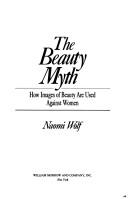 The beauty myth : how images of beauty are used against womenNaomi WolfA fiery, paradigm-shifting cultural critique that exposes the invisible machinery of female physical perfection.
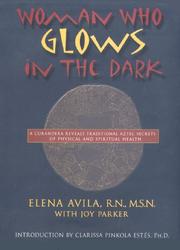 Woman who glows in the darkElena AvilaA grounding and visionary exploration of how ancient indigenous healing practices can illuminate modern women's health.
 Dancing in the flamesMarion WoodmanA descent into the dark, fertile soil of the psyche to unearth the transformative power of the Divine Feminine.
 Toward a new psychology of womenJean Baker MillerA paradigm-shifting exploration that validates the emotional and relational lives of women, turning perceived weaknesses into profound strengths.
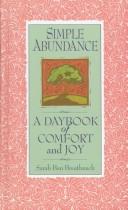 Simple AbundanceSarah Ban BreathnachA daily invitation to slow down, steep a cup of tea, and find the sacred in the beautifully ordinary.