Books › De la division du travail social
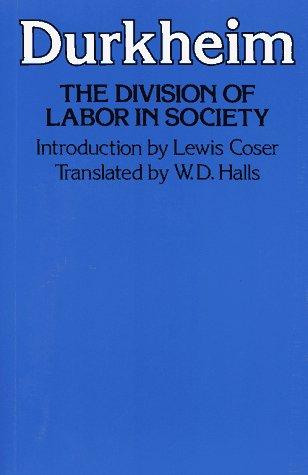
De la division du travail social
536 pages
A foundational, intellectually rigorous exploration of the invisible threads that bind modern society together.
What it feels like
Reading this foundational sociological text feels like putting on a pair of glasses that suddenly makes the invisible structures of human interaction visible. The pace is steady and methodical, demanding patience as it builds its rigorous arguments block by block. It immerses the reader in a deeply intellectual, contemplative mood, far removed from the chaos of the everyday, yet entirely focused on explaining that very chaos. The prose is dense, academic, and authoritative, guiding you through the evolution of social solidarity from tight-knit traditional communities to the complex, interdependent webs of modern industrial life. It is a deeply rewarding experience for readers who crave a profound, structural understanding of how societies function, evolve, and occasionally fracture.
- Mood
- intellectual
- contemplative
- structured
- serious
- Tone
- academic
- analytical
- earnest
- authoritative
- Pace
- steady
- Themes
- social cohesion · evolution of society · human interconnectedness · modernity and alienation · structural interdependence
- The writing
- Methodical, dense, and rigorously structured, characterized by careful definitions and logical progression.
- The arc
- Moves from a foundational curiosity about societal bonds to a profound realization of the complexities and fragilities of modern industrial life.
- Who it's for
- Students of sociology, history, and philosophy who are fascinated by the invisible threads that hold human societies together.
Content notes
- discussions of crime and punishment
- societal breakdown
About the book
"In 1893, a young doctoral student was to publish an entirely original work on the nature of labor and production as they were being shaped by the industrial revolution. Emile Durkheim's The Division of Labor in Society studies the nature of social solidarity and explores the ties that bind one person to the next in order to hold society together. This revised and updated second edition fluently conveys original arguments for contemporary readers. Leading Durkheim scholar Steve Lukes's new introduction builds upon Lewis Coser's original -- which places the work in its intellectual and historical context and pinpoints its central ideas and arguments -- by focusing on the text's significance for how we ought to think sociologically about some central problems that face us today."--Back cover.
Description from Open Library.
Books like De la division du travail social
See why they match Le suicideDurkheim, EmileA rigorous, paradigm-shifting examination of how invisible societal forces shape our most solitary and tragic decisions.
 The Great TransformationKarl PolanyiA sweeping, intellectually rigorous dismantling of the free-market myth that fundamentally changes how you view the relationship between society and the economy.
 SociologyAnthony GiddensA clear-eyed, expansive map of the invisible structures that dictate how we live, work, and interact.
 La Société du spectacleGuy DebordA radical, aphoristic dismantling of modern consumer culture that exposes the pervasive illusions of everyday life.
 Bowling AloneRobert D. PutnamA sobering, data-rich diagnosis of modern alienation that explores how we lost our communal bonds and why we desperately need them back.
 Sociological theoryGeorge RitzerA rigorous, structured journey through the intellectual frameworks that explain how human societies function, evolve, and fracture.