Books › The Great Transformation
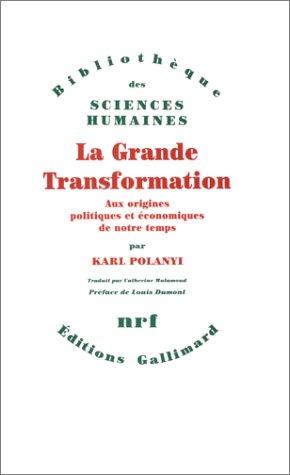
The Great Transformation
First published 1983 · 473 pages
A sweeping, intellectually rigorous dismantling of the free-market myth that fundamentally changes how you view the relationship between society and the economy.
What it feels like
Reading this foundational text feels like putting on a pair of glasses that suddenly brings the chaotic machinery of modern capitalism into sharp, sobering focus. The pace is steady and demanding, requiring you to sit with dense historical analysis and complex sociological theory. Yet, beneath the academic rigor lies a deeply compassionate and urgent tone. The mood is intellectually sweeping and occasionally ominous, as the narrative meticulously dismantles the myth of the self-regulating market and exposes the profound social costs of commodifying human life and nature. It is a challenging but deeply rewarding experience, perfect for readers who want to look past contemporary economic dogma and understand the profound, often painful ways that economic systems reshape human societies.
- Mood
- intellectually rigorous
- sobering
- historically sweeping
- contemplative
- Tone
- analytical
- urgent
- authoritative
- critical
- compassionate
- Pace
- steady
- Themes
- the myth of the free market · commodification of human life · societal self-protection · the social cost of progress · the entanglement of economy and society
- The writing
- Dense, erudite, and academic, yet punctuated by moments of sharp moral clarity and profound sociological insight.
- The arc
- Begins with a sweeping historical inquiry and builds into a sobering, urgent revelation about the destructive nature of untethered capitalism.
- Who it's for
- Deep thinkers and history buffs who crave foundational texts that challenge the dominant narratives of modern economics and capitalism.
Content notes
- systemic poverty
- historical suffering
- class inequality
About the book
"In this classic work of economic history and social theory, Karl Polonyi analyzes the economic and social changes brought about by the "great transformation" of the Industrial Revolution. His analysis explains not only the deficiencies of the self-regulating market, but the potentially dire social consequences of untempered market capitalism. New introductory material reveals the renewed importance of Polanyi's seminal analysis in an era of globalization and free trade."--BOOK JACKET.
Description from Open Library.
Books like The Great Transformation
See why they match Energy in world historyVaclav SmilA sweeping, deeply pragmatic lens on human history that reveals the hidden physical forces shaping our world.
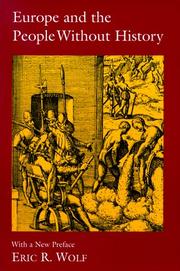 Europe and the people without historyEric R. WolfA sweeping, analytical exploration of the economic and social transformations that connected the globe from 1492 onward.
 The worldly philosophersRobert L. HeilbronerA sweeping, character-driven journey through the eccentric and brilliant minds that built the modern economic world.
 The age of extremesEric J. HobsbawmA sweeping, sobering masterclass in making sense of the twentieth century's most turbulent and transformative decades.
 Good Economics for Hard TimesEsther DufloA compassionate, myth-busting journey through modern policy that replaces partisan panic with evidence-based hope.
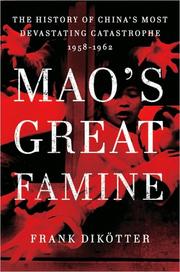 Mao's great famineFrank DikötterA meticulously documented descent into one of history's darkest chapters, where bureaucratic hubris meets unimaginable human suffering.