Books › Dead Babies

Dead Babies
First published 1975 · 393 pages
A pitch-black comedic dive into the chaotic and cynical underbelly of 1970s England.
What it feels like
Immersing the reader in the cynical atmosphere of 1970s England, this novel delivers a sharp and unapologetic dose of black comedy. The narrative moves at a brisk pace, driven by a provocative and irreverent tone that delights in pushing boundaries. Rather than offering comfort, the mood is chaotic and bleakly humorous, reflecting a society viewed through a distinctly dark and satirical lens. The prose is biting and distinctly English, crafting an experience that is both shocking and sharply observant. It is a perfect match for readers who crave fiction that refuses to play nice, offering instead a transgressive, darkly comedic journey that revels in its own bleak absurdity.
- Mood
- chaotic
- bleak
- unsettling
- Tone
- cynical
- provocative
- satirical
- irreverent
- Pace
- brisk
- Themes
- dark humor · social transgression · 1970s English culture
- The writing
- Biting, provocative, and distinctly English in its sharp satirical edge.
- The arc
- Begins with sharp irreverence and descends into increasingly chaotic and bleak comedic depths.
- Who it's for
- Readers who appreciate pitch-black humor and cynical, boundary-pushing fiction.
Content notes
- dark humor
- provocative themes
About the book
"Originally published in Great Britain in 1975 by Jonathan Cape Ltd."--T.p. verso.
Description from Open Library.
Books like Dead Babies
See why they match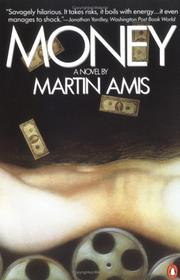 MoneyMartin AmisA manic, filthy, and hilariously grotesque joyride through the neon-lit excesses of the 1980s.
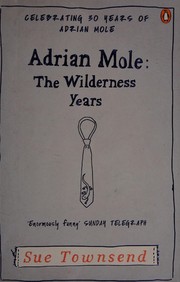 Adrian MoleSue TownsendA masterclass in dramatic irony where you laugh at, pity, and ultimately root for a spectacularly oblivious diarist.
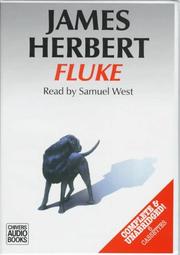 FlukeJames HerbertA gritty, bittersweet exploration of memory and identity told through the eyes of a dog who remembers being a murdered man.
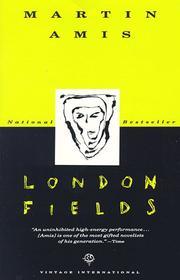 London FieldsMartin AmisA dread-soaked, fatalistic plunge into urban decay and the dark gravity of self-destruction.
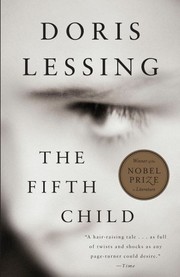 The fifth childDoris LessingA chilling, unsentimental dismantling of the domestic ideal that turns a cozy family home into a site of primal terror.
 Lost in the funhouseJohn BarthA dizzying, self-aware labyrinth of language that constantly pulls back the curtain on its own creation.