Books › Der Einzige und sein Eigentum

Der Einzige und sein Eigentum
First published 1899 · 1844 pages
A fiery, uncompromising dismantling of every societal sacred cow in pursuit of absolute, radical self-ownership.
What it feels like
Reading this foundational text of radical individualism feels like watching a philosophical arsonist at work. The pace is steady but the rhetoric is relentlessly fiery, systematically burning down the phantoms of religion, state, morality, and even humanism itself. The mood is stark, uncompromising, and deeply defiant, wrapping the reader in an atmosphere of intellectual rebellion. Stirner's prose is dense yet highly polemical, full of sharp, aphoristic declarations that challenge you to strip away every external ideology until only the raw, unapologetic self remains. It is a provocative, often cynical, but ultimately liberating experience for the right mind. This book will delight iconoclasts, political theorists, and anyone who revels in the absolute deconstruction of societal orthodoxies.
- Mood
- intellectually rebellious
- stark
- uncompromising
- intense
- Tone
- polemical
- iconoclastic
- defiant
- cynical
- provocative
- Pace
- steady
- Themes
- radical individualism · rejection of dogma · the illusion of authority · self-liberation · intellectual anarchy
- The writing
- Fiery, dense, and highly rhetorical, characterized by relentless questioning and sharp, aphoristic declarations.
- The arc
- A journey from the deconstruction of societal illusions to the radical, solitary empowerment of the self.
- Who it's for
- Readers who enjoy radical political philosophy, existential rebellion, and dismantling ideological orthodoxies.
Content notes
- anti-religious sentiments
- philosophical nihilism
About the book
The Ego and Its Own (German: Der Einzige und sein Eigentum; meaningfully translated as The Individual and his Property, literally as The Unique and His Property) is an 1844 work by German philosopher Max Stirner. It presents a radically nominalist and individualist critique of Christianity, nationalism, and traditional morality on one hand; and on the other, humanism, utilitarianism, liberalism, and much of the then-burgeoning socialist movement, advocating instead an amoral (although importantly not inherently immoral or antisocial) egoism. It is considered a major influence on the development of anarchism, existentialism, nihilism, and postmodernism.
Description from Open Library.
Books like Der Einzige und sein Eigentum
See why they match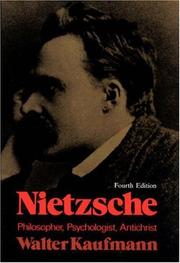 Nietzsche: philosopher, psychologist, antichristWalter Arnold KaufmannAn intellectually thrilling rescue mission that strips away decades of propaganda to reveal a profoundly misunderstood thinker.
 Twilight of the Idols and The AntichristFriedrich Wilhelm NietzscheA blistering, hammer-swinging assault on everything you thought was sacred, true, or good.
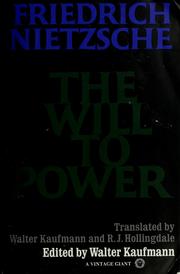 Wille zur MachtFriedrich NietzscheA fragmented, fiery descent into the raw notebooks of a mind trying to dismantle and rebuild the foundations of human value.
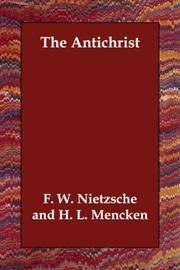 Der AntichristFriedrich NietzscheA blistering, unapologetic philosophical hammer taken to the foundations of Western morality.
 Jenseits von Gut und BöseFriedrich Wilhelm NietzscheA fiery, aphoristic demolition of traditional morality that challenges you to forge your own values in the ruins of absolute truth.
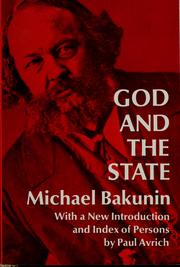 Dieu et l’ÉtatMikhail Aleksandrovich BakuninA fierce, unfinished philosophical manuscript that dismantles the intertwined authorities of religion and the state.