Books › Der Zauberberg

Der Zauberberg
First published 2005 · 1255 pages
A feverish, time-bending descent into a high-altitude hothouse of ideas, where the decay of a civilization is debated while the world below marches toward war.
What it feels like
Reading this novel feels like stepping out of the flow of normal time and entering a suspended, feverish dream state. The pace is intentionally meandering, mirroring the protagonist's own loss of temporal grounding in an isolated Alpine sanatorium. It is a deeply intellectual and atmospheric experience, wrapping the reader in a hothouse environment where sprawling philosophical debates about life, death, and ideology take on life-or-death urgency. The prose is dense, symphonic, and laced with a subtle, detached irony, demanding patience but rewarding it with profound psychological depth. It delights readers who crave massive, immersive novels of ideas—those who want to sit quietly in a snowbound room and watch a civilization argue itself into oblivion.
- Mood
- feverish
- suspended
- isolated
- melancholic
- Tone
- ironic
- philosophical
- contemplative
- detached
- Pace
- meandering
- Themes
- the elasticity of time · illness and mortality · clash of ideologies · decay of civilization · the allure of death
- The writing
- Dense, symphonic, and highly discursive, the writing weaves complex philosophical arguments into rich, atmospheric descriptions with a subtle, detached irony.
- The arc
- The journey moves from naive curiosity and temporal disorientation to a profound, feverish intellectual awakening, culminating in a sudden thrust back into brutal reality.
- Who it's for
- Readers who love getting lost in massive, idea-driven novels where the passage of time is a central character and philosophical debates take precedence over plot.
Content notes
- terminal illness
- death
- suicide
- war
- medical procedures
About the book
One of the most influential and celebrated German works of the 20th century has been newly rendered in English by Woods, twice First published in 1929, Mann's novel tells the story of Hans Castorp, a modern everyman who spends seven years in an Alpine sanatorium for tuberculosis patients, finally leaving to become a soldier in World War I. Isolated from the concerns of the everyday world, he is exposed to the wide range of ideas that shaped a world on the verge of explosion. Considering what was to follow, the most poignant moment comes when Naphta, a Jewish-born Jesuit, defends the use of terror and the taking of life for the sake of an all-encompassing idea. Woods's work reads more naturally than the original translation, which, while faithful to the German, was stiff and forbidding. A necessary addition to any fiction collection.
Description from Open Library.
Books like Der Zauberberg
See why they match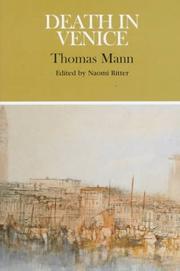 Tod in VenedigThomas MannA feverish, suffocating descent into obsession set against the decaying splendor of a plague-ridden city.
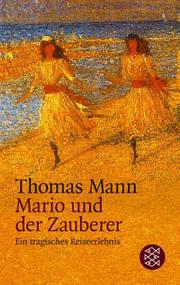 Mario und der ZaubererThomas MannA sun-drenched seaside holiday slowly curdles into a suffocating nightmare of mass hypnosis and lost autonomy.
 Der Himmel kennt keine GünstlingeErich Maria RemarqueA tragic romance that contrasts the quiet dread of a Swiss sanatorium with the fleeting thrill of living on borrowed time.
 Confession of Zenoberyl-de-zoete-with-a-note-on-svevo-by-edouard-roditiA delightfully neurotic plunge into the mind of a man who can endlessly rationalize his own absurdities.
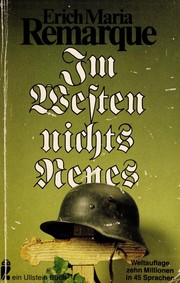 Im Westen nichts NeuesErich Maria RemarqueA devastating, visceral descent into the trenches that strips away the glory of combat to reveal the raw, tragic humanity underneath.
 Das SchloßFranz KafkaA surreal, claustrophobic descent into a dreamlike world where rules are absolute but entirely incomprehensible.