Books › Designing type

Designing type
248 pages
A masterclass in the invisible architecture of the alphabet, turning the act of reading into a study of microscopic visual harmony.
What it feels like
Reading this is less like consuming a narrative and more like putting on a pair of X-ray glasses that forever changes how you see the written word. It is a deeply studious, visually arresting experience that pulls you into the microscopic architecture of the alphabet. The pace is steady and methodical, inviting you to linger over diagrams and trace the subtle curves of serifs and bowls. There is a quiet, contemplative mood to the pages, rooted in an intense appreciation for craftsmanship and the invisible math of optical compensation. The prose is clear, authoritative, and entirely in service to the visuals, making complex design principles feel accessible. It is an absolute delight for typography nerds, graphic designers, and anyone who finds beauty in the meticulous construction of everyday things.
- Mood
- studious
- focused
- contemplative
- visually engaging
- Tone
- analytical
- precise
- authoritative
- instructional
- Pace
- steady
- Themes
- the architecture of language · visual harmony · meticulous craftsmanship · the intersection of art and utility · invisible design
- The writing
- Clear, didactic, and highly structured, serving primarily to illuminate the accompanying visual diagrams.
- The arc
- Moves from a broad appreciation of letterforms to a deep, granular understanding of their microscopic architecture.
- Who it's for
- Graphic designers, typography nerds, and visual artists who want to understand the invisible math behind the fonts they read every day.
About the book
"This book explains the processes and issues of designing type. Author Karen Cheng discusses issues of structure, optical compensation, and legibility, with special emphasis given to the often overlooked relationships between letters and shapes in a font." "The book is illustrated with numerous diagrams that demonstrate visual principles and letter construction, ranging from informal progress sketches to final type designs and diagrams. A wide range of classic and modern typefaces is analyzed, including those from many premier contemporary type foundaries. Introductory essays and diagrams emphasize the history of type, the primary systems of typeface classification, the two main proportional systems for type, the parts of a letter, the effects of new technology on design methodology, the optical illusions that affect density and balance in letterforms, and the differences in form between basic serif typestyles. The book provides detailed guidelines for creating serif and sans serif letters, numbers, punctuation, and accents."--Jacket.
Description from Open Library.
Books like Designing type
See why they match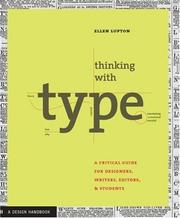 Thinking with TypeEllen LuptonA visually arresting, deeply practical masterclass that permanently changes the way you look at the printed word.
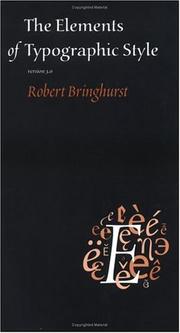 The Elements of Typographic StyleRobert BringhurstA poetic and authoritative masterclass in the invisible architecture of the written word.
 Type matters!Jim WilliamsA precise and focused exploration of the structural beauty and foundational rules of typography.
 The Elements of Graphic DesignAlex W. White and Alex WhiteA visually rich, deeply practical masterclass in making space, type, and image work together in perfect harmony.
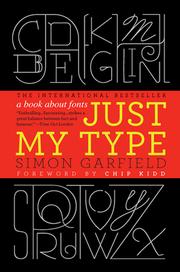 Just my typeSimon GarfieldA witty, eye-opening tour through the hidden personalities of the letters we read every day.
 Stop stealing sheep & find out how type worksPearson Education, LimitedA playful, eye-opening tour through the invisible architecture of the words we read every day.