Books › Diamond

Diamond
First published 2005 · 328 pages
A sobering, voice-driven immersion into a community's decades-long fight to breathe clean air in the shadow of heavy industry.
What it feels like
Reading this book feels like standing in the shadow of towering smokestacks, breathing in the heavy, metallic air of a community under siege. The narrative moves at a steady, deliberate pace, anchored by the raw, unfiltered oral histories of those living on the frontlines of industrial pollution. It is a deeply empathetic and journalistic experience, balancing the oppressive dread of chronic illness and sudden explosions with the fierce resilience of grassroots activism. The prose steps back to let the residents speak for themselves, creating an intimate, documentary-like texture. It will deeply resonate with readers who seek out urgent, human-centered stories about environmental justice, corporate accountability, and the quiet courage required to fight systemic inequality.
- Mood
- oppressive
- somber
- resilient
- tense
- Tone
- earnest
- journalistic
- empathetic
- urgent
- Pace
- steady
- Themes
- environmental justice · corporate accountability · community resilience · systemic inequality · the human cost of industry
- The writing
- Grounded and documentary-style, stepping back to center the raw, unfiltered voices of the affected residents alongside investigative reporting.
- The arc
- Moves from the suffocating dread of toxic exposure to the empowering, hard-fought struggle for community survival and justice.
- Who it's for
- Readers who appreciate deeply humanized, oral-history-driven accounts of environmental activism and systemic injustice.
Content notes
- chronic illness
- cancer
- industrial accidents
- environmental trauma
About the book
"For years, the residents of Diamond, Louisiana lived with an inescapable acrid, metallic smell - the "toxic bouquet" of pollution - and a mysterious chemical fog that seeped into their houses. They looked out on the massive Norco Industrial Complex, a maze of pipelines, stacks topped by flares burning off excess gas, and huge oil tankers moving up the Mississippi. They experienced headaches, stinging eyes, allergies, asthma, and other respiratory problems, skin disorders, and cancers that they were convinced were caused by their proximity to heavy industry. Periodic industrial explosions damaged their houses and killed some of their neighbors.".
"Steve Lerner talked to the people of Diamond and let them tell their story in their own words. He talked also to the residents of a nearby white neighborhood - many of whom worked for Shell and had fewer complaints about the plants - and to environmental activists and Shell officials. His account of Diamond's 30-year ordeal puts a human face on the struggle for environmental justice in the United States."--BOOK JACKET.
Description from Open Library.
Books like Diamond
See why they match A paradise built in hellRebecca SolnitA surprisingly uplifting exploration of how our darkest moments reveal the profound human capacity for radical solidarity.
 CollapseJared M. DiamondA sweeping, sobering autopsy of fallen civilizations that holds a mirror up to our own precarious future.
 As Long as Grass GrowsDina Gilio-WhitakerA vital, eye-opening reframing of environmentalism through the lens of Indigenous history and resistance.
 Guns, germs, and steelJared M. DiamondA sweeping, structural lens that reframes the entire history of human civilization through the unforgiving realities of geography and environment.
 The grassroots of green revolutionDeborah Lynn GuberA methodical exploration of the complex disconnect between American environmental ideals and political realities.
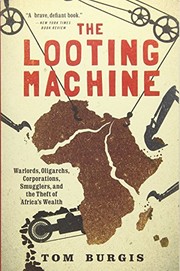 The looting machineTom BurgisA sobering, urgent investigation into the systemic exploitation that keeps a resource-rich continent economically precarious.