Books › Diary of a wombat

Diary of a wombat
First published 2003 · 32 pages
A masterclass in deadpan humor told through the sleepy, demanding, and utterly charming routine of a backyard marsupial.
What it feels like
Reading this book feels like sharing a quiet, knowing joke with a very stubborn friend. The experience is defined by its brilliant comedic timing, relying on the hilarious friction between the incredibly sparse, matter-of-fact text and the expressive, chaotic reality depicted in the illustrations. It moves at a wonderfully leisurely pace, mirroring the sleep-heavy, carrot-munching lifestyle of its narrator. There is a cozy, sun-warmed atmosphere to the pages, grounded in the simple, repetitive pleasures of eating, scratching, and napping. It delights anyone who appreciates dry, understated humor and the gentle absurdity of wild animals interacting with human spaces. Ultimately, it leaves the reader with a warm, lingering sense of amusement at the quiet triumphs of a creature who knows exactly what it wants.
- Mood
- cozy
- playful
- lighthearted
- relaxed
- Tone
- deadpan
- wry
- humorous
- matter-of-fact
- Pace
- leisurely
- Themes
- the simple pleasures of routine · animal-human coexistence · stubbornness · gentle manipulation
- The writing
- Extremely sparse and repetitive, relying on brilliant comedic timing and a perfectly matter-of-fact delivery.
- The arc
- Begins with a sleepy, contented rhythm and builds to a quiet, humorous triumph as the narrator successfully trains their human neighbors.
- Who it's for
- Readers of all ages who appreciate dry, understated humor and the delightfully stubborn antics of animals.
About the book
A picture book from the point of view of a wombat written as a diary of the wombat's daily activities. The wombat sleeps, eats, digs holes and tries to control the humans around it. An Australian classic from a well known Australian author.
Description from Open Library.
Books like Diary of a wombat
See why they match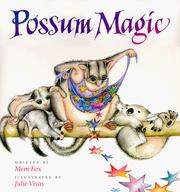 Possum magicMem FoxA whimsical, culinary journey across a sun-drenched continent that feels like a warm hug from a beloved grandmother.
 Time for BedMem FoxA tender, rhythmic lullaby in book form that wraps the reader and listener in a warm blanket of security.
 The year of Janie's diaryDonna BalcombeAn intimate, time-capsule confession of mid-century adolescence that captures the universal growing pains of leaving childhood behind.
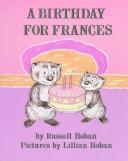 A birthday for FrancesRussell HobanA cozy, deeply relatable exploration of the very big, very stubborn feelings that come with being a sibling.
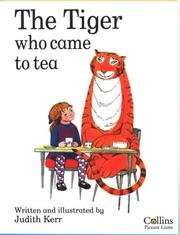 The Tiger Who Came to TeaJudith KerrA perfectly polite disruption of the everyday, where the surreal is met with tea, sandwiches, and absolute calm.
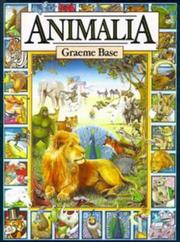 AnimaliaGraeme BaseA whimsical, alliterative journey through the alphabet, inviting readers to pore over fantastic, puzzle-filled illustrations.