Books › Die Geburt der Tragödie

Die Geburt der Tragödie
697 pages
A fiery, poetic plunge into the chaotic and orderly forces that birth true art and make human suffering bearable.
What it feels like
Reading this foundational text feels less like studying philosophy and more like being swept up in a tempestuous, visionary sermon. The prose is highly charged and poetic, moving with a brisk, rhetorical momentum that mirrors the very musicality it praises. You are plunged into an intellectually ecstatic mood, caught between the serene, dreamlike clarity of the Apollonian and the dark, intoxicating frenzy of the Dionysian. It is a book that vibrates with youthful urgency and a desperate belief in art as the ultimate consolation for the horrors of existence. This will delight readers who want their philosophy to be passionate, mythic, and deeply concerned with the raw, sublime textures of human creation and suffering.
- Mood
- ecstatic
- intellectually charged
- sublime
- tempestuous
- Tone
- impassioned
- polemical
- reverent
- visionary
- urgent
- Pace
- brisk
- Themes
- tension between order and chaos · the necessity of art · the meaning of suffering · cultural decay and rebirth · the sublime
- The writing
- Highly rhetorical, poetic, and sweeping, filled with vivid metaphors and a musical cadence that defies traditional academic dryness.
- The arc
- Moves from a structured, analytical exploration of ancient aesthetics into a soaring, almost religious fervor for the redemptive power of art.
- Who it's for
- Readers who crave philosophy that feels like poetry, and those fascinated by the intersection of art, psychology, and the darker currents of human existence.
Content notes
- existential dread
- discussions of suffering
About the book
A compelling argument for the necessity for art in life, Nietzsche's first book is fuelled by his enthusiasms for Greek tragedy, for the philosophy of Schopenhauer and for the music of Wagner, to whom this work was dedicated. Nietzsche outlined a distinction between its two central forces: the Apolline, representing beauty and order, and the Dionysiac, a primal or ecstatic reaction to the sublime. He believed the combination of these states produced the highest forms of music and tragic drama, which not only reveal the truth about suffering in life, but also provide a consolation for it. Impassioned and exhilarating in its conviction, The Birth of Tragedy has become a key text in European culture and in literary criticism.
Description from Open Library.
Books like Die Geburt der Tragödie
See why they match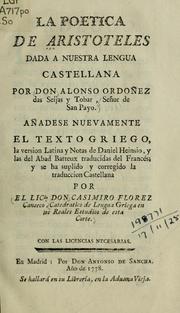 PoeticsAristotleA methodical, foundational dissection of why stories move us and how tragedy achieves its emotional power.
 On the advantage and disadvantage of history for lifeFriedrich Wilhelm NietzscheA rigorous, reflective exploration of how the study of the past shapes and serves modern philosophical thought.
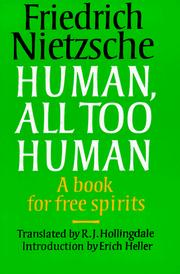 Menschliches, AllzumenschlichesFriedrich NietzscheA bracing plunge into the cold bath of reason, stripping away the comforting illusions of morality and metaphysics.
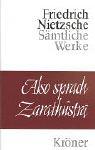 Also sprach ZarathustraFriedrich NietzcheA thunderous, poetic descent from the mountaintop to deliver a radical gospel of self-creation and existential joy.
 Der AntichristFriedrich NietzscheA blistering, unapologetic philosophical hammer taken to the foundations of Western morality.
 Kritik der UrteilskraftImmanuel KantA monumental, demanding architecture of thought that bridges the gap between human reason and the awe-inspiring beauty of the natural world.