Books › Menschliches, Allzumenschliches

Menschliches, Allzumenschliches
633 pages
A bracing plunge into the cold bath of reason, stripping away the comforting illusions of morality and metaphysics.
What it feels like
Reading this book feels like stepping into a bracing, icy wind that strips away the comforting illusions of society, religion, and morality. Structured as a sprawling collection of aphorisms, the reading experience is inherently meandering; you are invited to dip in, read a single piercing thought, and sit with it before moving on. The tone is relentlessly provocative and analytical, marking a sharp departure from romanticism into the cold, clear light of scientific skepticism. It immerses the reader in an iconoclastic mood, dismantling everything from the concept of good and evil to the psychology of art and power. This is a deeply rewarding text for intellectual rebels and free spirits who find liberation in questioning the very foundations of human nature.
- Mood
- intellectually rigorous
- iconoclastic
- stark
- contemplative
- Tone
- provocative
- incisive
- cynical
- analytical
- wry
- Pace
- meandering
- Themes
- the illusion of morality · psychology of belief · cultural critique · intellectual freedom · the limits of metaphysics
- The writing
- Aphoristic and sharp, delivering complex philosophical critiques in bite-sized, piercing observations.
- The arc
- Transitions from the unsettling deconstruction of cherished societal ideals to the bracing, liberating clarity of the free spirit.
- Who it's for
- Intellectual rebels and deep thinkers who relish dismantling traditional morality and exploring the psychological roots of human behavior.
Content notes
- anti-religious sentiment
- dated views on gender
- existential themes
About the book
"Human, All-Too-Human (1878) is often considered the start of Friedrich Nietzsche's mature period. This complex work, composed of hundreds of aphorisms of varying length, explores many themes to which Nietzsche later returned and marks a significant departure from his previous thinking. Here Nietzsche breaks with his early allegiance in Arthur Schopenhauer and Richard Wagner, and establishes the overall framework of his later philosophy. In contrast to his previous disdam for science, now Nietzsche views science as key to undercutting traditional metaphysics. This he sees as a crucial step in the emergence of free spirits who will be the avant-grade of culture." "This is an essential work for anyone who wishes to understand Nietsche's incisive critique of such diverse aspects of Western culture and values as the idea of good and evil, the roles of women and children in society, and the concept of power and the state."--BOOK JACKET.
Description from Open Library.
Books like Menschliches, Allzumenschliches
See why they match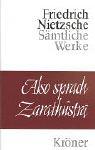 Also sprach ZarathustraFriedrich NietzcheA thunderous, poetic descent from the mountaintop to deliver a radical gospel of self-creation and existential joy.
 Zur Genealogie der MoralFriedrich NietzscheA blistering, psychological teardown of everything society has taught you to consider good and evil.
 Twilight of the idols, or, How to philosophize with the hammerFriedrich NietzscheA gleeful, hammer-swinging demolition of Western philosophy's most sacred beliefs.
 On the advantage and disadvantage of history for lifeFriedrich Wilhelm NietzscheA rigorous, reflective exploration of how the study of the past shapes and serves modern philosophical thought.
 Twilight of the Idols and The AntichristFriedrich Wilhelm NietzscheA blistering, hammer-swinging assault on everything you thought was sacred, true, or good.
 Essays and aphorismsArthur SchopenhauerA brilliantly cynical and beautifully written plunge into the irrationality of human existence and the quiet solace of art.