Books › Diplomacy
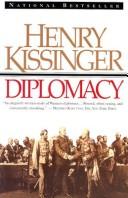
Diplomacy
First published 1994 · 912 pages
A monumental and pragmatic exploration of how the balance of power and the art of negotiation shape the modern world.
What it feels like
Reading this book feels like sitting in on a masterclass in global strategy, guided by an authoritative and deeply pragmatic voice. The pace is steady and deliberate, matching the monumental scope of its subject matter as it sweeps through historical interpretations and settles into personal accounts of high-stakes negotiations. The mood is serious and intellectual, steeped in the weighty realities of international relations and the delicate balance of power. It contrasts the comforting illusions of idealism with the hard truths of how the world actually operates. This is a read for those who devour political history and want to understand the intricate, often controversial art of statecraft from the perspective of someone who has navigated its highest levels.
- Mood
- serious
- intellectual
- weighty
- Tone
- authoritative
- analytical
- pragmatic
- reflective
- Pace
- steady
- Themes
- the art of statecraft · idealism versus realism · the balance of power · historical interpretation
- The writing
- Monumental and authoritative, blending grand historical analysis with grounded, personal anecdotes.
- The arc
- Moves from a sweeping, grand perspective of world history to the intimate, high-stakes tension of personal negotiations.
- Who it's for
- Readers fascinated by global politics, historical strategy, and the pragmatic realities of international relations.
About the book
In this controversial and monumental book - arguably his most important - Henry Kissinger illuminates just what diplomacy is. Moving from a sweeping overview of his own interpretation of history to personal accounts of his negotiations with world leaders, Kissinger describes the ways in which the art of diplomacy and the balance of power have created the world we live in, and shows how Americans, protected by the size and isolation of their country, as well as by their own idealism and mistrust of the Old World, have sought to conduct a unique kind of foreign policy based on the way they wanted the world to be, as opposed to the way it really is.
Description from Open Library.
Books like Diplomacy
See why they match On ChinaHenry KissingerA sweeping, statesman's-eye view of a civilization's grand strategy and its high-stakes collision with the modern world.
 The Grand ChessboardZbigniew BrzezinskiA masterclass in cold, calculated geopolitical strategy that views the globe as a literal game board.
 World orderHenry KissingerA sweeping, eagle-eye view of how empires rise, balance, and collide across centuries of human history.
 War and peace in the Middle EastAvi ShlaimA shrewd and highly readable untangling of the complex historical forces that have shaped the modern Middle East.
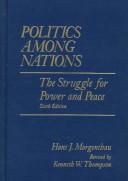 Politics among NationsHans MorgenthauA sobering, unsentimental masterclass in the cold mechanics of global power and human nature.
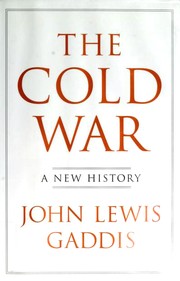 The Cold WarJohn Lewis GaddisA sweeping, authoritative journey through the ideological standoff that held the world hostage for half a century.