Books › Doughnut economics

Doughnut economics
384 pages
A visionary and pragmatic guide to redesigning global economics for a sustainable, human-centered future.
What it feels like
Reading this book feels like stepping into a clear, well-lit room where complex global problems are finally given a coherent, actionable framework. The pace is steady and methodical, guiding the reader through seven transformative ways to rethink our world's financial and social structures. It carries a tone that is both deeply pragmatic and refreshingly optimistic, replacing the dread of environmental and economic collapse with a hopeful, forward-looking atmosphere. The prose is accessible and persuasive, translating dense macroeconomic theory into the intuitive, iconic image of a sweet spot for human prosperity. It is an intellectually stimulating experience designed for anyone from grassroots activists to corporate strategists who craves a radically new compass for sustainable development and systemic change.
- Mood
- intellectually stimulating
- hopeful
- forward-looking
- Tone
- visionary
- pragmatic
- persuasive
- optimistic
- Pace
- steady
- Themes
- rethinking economic success · sustainable prosperity · regenerative design · breaking growth addiction
- The writing
- Clear, accessible, and structurally focused, translating complex macroeconomic concepts into compelling visual and conceptual frameworks.
- The arc
- Moves from a critical assessment of current economic paradigms to an inspiring, actionable vision for global prosperity.
- Who it's for
- Readers seeking innovative, systemic solutions to global environmental and economic challenges, from eco-activists to policy makers.
About the book
Raworth sets out seven key ways to fundamentally reframe our understanding of what economics is and does. Along the way, she points out how we can break our addiction to growth; redesign money, finance, and business to be in service to people; and create economies that are regenerative and distributive by design. Named after the now-iconic doughnut? image that Raworth first drew to depict a sweet spot of human prosperity (an image that appealed to the Occupy Movement, the United Nations, eco-activists, and business leaders alike), Doughnut Economics offers a radically new compass for guiding global development, government policy, and corporate strategy, and sets new standards for what economic success looks like.
Description from Open Library.
Books like Doughnut economics
See why they match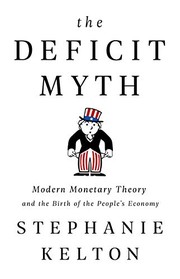 The Deficit MythStephanie KeltonA paradigm-shifting exploration of money that replaces the anxiety of national debt with the radical hope of public investment.
 This Changes EverythingNaomi KleinA fiercely urgent wake-up call that transforms climate dread into a demand for radical systemic change.
 Good Economics for Hard TimesEsther DufloA compassionate, myth-busting journey through modern policy that replaces partisan panic with evidence-based hope.
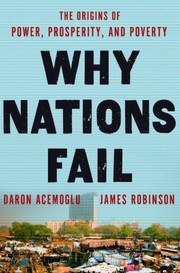 Why Nations FailDaron Acemoglu and James A. RobinsonA sweeping, intellectually rigorous journey through history that decodes the hidden machinery of global inequality.
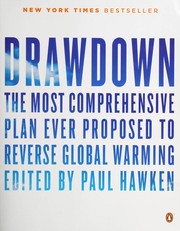 DrawdownPaul HawkenA pragmatic and deeply hopeful blueprint that cures climate despair with actionable, data-driven solutions.
 Talking to My Daughter About the EconomyYanis VaroufakisAn intimate, jargon-free masterclass that demystifies the invisible economic forces shaping our world.