Books › The Deficit Myth
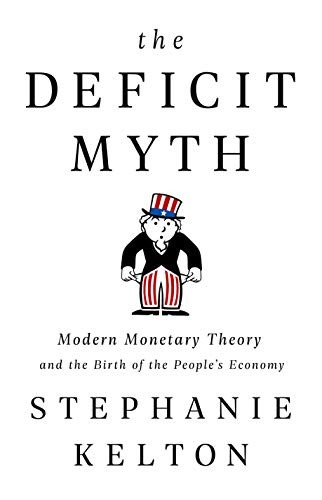
The Deficit Myth
336 pages
A paradigm-shifting exploration of money that replaces the anxiety of national debt with the radical hope of public investment.
What it feels like
Reading this book feels like having a heavy, anxiety-inducing curtain pulled back to reveal a landscape of sudden, immense possibility. It moves at a brisk, engaging pace, stripping away the intimidating jargon of macroeconomics to replace it with clear, household-friendly analogies before completely dismantling those very household comparisons. The tone is deeply persuasive and relentlessly optimistic, transforming the usually dry subject of fiscal policy into an urgent, hopeful manifesto for social change. You aren't just learning about Modern Monetary Theory; you are experiencing a cognitive shift from a mindset of artificial scarcity to one of abundant opportunity. It will delight progressive thinkers, policy nerds, and anyone who has ever felt frustrated by the political excuse that we just cannot afford it.
- Mood
- hopeful
- intellectually stimulating
- paradigm-shifting
- Tone
- persuasive
- optimistic
- authoritative
- accessible
- urgent
- Pace
- brisk
- Themes
- rethinking scarcity · the mechanics of money · social responsibility · economic justice · challenging conventional wisdom
- The writing
- Clear, conversational, and analogy-rich, translating dense macroeconomic concepts into digestible, everyday language.
- The arc
- Moves from frustration with artificial political constraints to a profound sense of possibility and empowerment.
- Who it's for
- Progressives, policy enthusiasts, and curious citizens eager to understand how government spending actually works and how it can be used for public good.
Content notes
- discussions of poverty
- systemic inequality
About the book
The leading thinker and most visible public advocate of modern monetary theory - the freshest and most important idea about economics in decades - delivers a radically different, bold, new understanding for how to build a just and prosperous society. Stephanie Kelton's brilliant exploration of modern monetary theory (MMT) dramatically changes our understanding of how we can best deal with crucial issues ranging from poverty and inequality to creating jobs, expanding health care coverage, climate change, and building resilient infrastructure. Any ambitious proposal, however, inevitably runs into the buzz saw of how to find the money to pay for it, rooted in myths about deficits that are hobbling us as a country. Kelton busts through the myths that prevent us from taking action: that the federal government should budget like a household, that deficits will harm the next generation, that deficits crowd-out private investment and undermine long-term growth, that entitlements are propelling us toward a grave fiscal crisis. MMT, as Kelton shows, shifts the terrain from narrow budgetary questions to one of broader economic and social benefits. With its important new ways of understanding money, taxes, and the critical role of deficit spending, MMT redefines how to responsibly use our resources so that we can maximize our potential as a society. MMT gives us the power to imagine a new politics and a new economy and move from a narrative of scarcity to one of opportunity.
Description from Open Library.
Books like The Deficit Myth
See why they match Doughnut economicsKate RaworthA visionary and pragmatic guide to redesigning global economics for a sustainable, human-centered future.
 Good Economics for Hard TimesEsther DufloA compassionate, myth-busting journey through modern policy that replaces partisan panic with evidence-based hope.
 This time is differentCarmen M. ReinhartA sweeping, data-rich reality check that proves financial hubris is humanity's oldest repeating loop.
 Give People MoneyAnnie LowreyA clear-eyed, optimistic exploration of a radical yet straightforward policy designed to reshape society.
 Talking to My Daughter About the EconomyYanis VaroufakisAn intimate, jargon-free masterclass that demystifies the invisible economic forces shaping our world.
 The undercover economist strikes backTim HarfordA witty, jargon-free tour through the hidden gears of the global economy that makes macroeconomics feel like a fascinating dinner party conversation.