Books › Dr. Bloodmoney

Dr. Bloodmoney
or, How we got along after the bomb
First published 1977 · 314 pages
A surreal, darkly comic stumble through a post-nuclear California where the end of the world is just another bizarre inconvenience.
What it feels like
A surreal and darkly comic exploration of life after the bomb, this novel feels less like a traditional survival story and more like a collective fever dream. The pace is meandering, drifting through the fractured psyches of a bizarre cast of survivors in Marin County, including a mutant with a twin inside his body and a stranded astronaut orbiting the irradiated Earth. The prose is classic Philip K. Dick: utilitarian, slightly manic, and perfectly suited to delivering absolute absurdity with a straight face. The mood is a strange cocktail of Cold War paranoia, uncanny dread, and a surprisingly resilient, if twisted, domesticity. It will delight readers who love the satirical bite of Kurt Vonnegut and the philosophical mind-benders of classic, weird science fiction, offering a journey that is as disorienting as it is strangely profound.
- Mood
- uncanny
- absurd
- bleak
- feverish
- Tone
- satirical
- paranoid
- darkly comic
- surreal
- Pace
- meandering
- Themes
- post-apocalyptic survival · Cold War paranoia · fragility of reality · guilt and responsibility · human mutation
- The writing
- Utilitarian and slightly manic, characterized by abrupt shifts in perspective and a matter-of-fact delivery of the bizarre.
- The arc
- Moves from disorienting apocalyptic shock to a bizarre, darkly humorous acceptance of a fractured new reality.
- Who it's for
- Fans of classic, weird sci-fi who enjoy philosophical mind-benders and dark, Cold War-era satire over action-packed plots.
Content notes
- nuclear fallout
- death
- body horror
- paranoia
About the book
Dr. Bloodmoney, or How We Got Along After the Bomb is a 1965 science fiction novel by American writer Philip K. Dick. It was nominated for the Nebula Award for Best Novel in 1965.[1]
Dick wrote the novel in 1963 with working titles In Earth's Diurnal Course and A Terran Odyssey. Ace editor Donald Wollheim however suggested the final title which references the film Dr. Strangelove or: How I Learned to Stop Worrying and Love the Bomb (1964).[2]
Description from Open Library.
Books like Dr. Bloodmoney
See why they match The three stigmata of Palmer EldritchPhilip K. DickA paranoid, hallucinatory descent into a corporate-controlled future where reality itself is a commodified, inescapable trap.
 Radio Free AlbemuthPhilip K. DickA paranoid, hallucinatory descent into an alternate America where political fascism meets cosmic revelation.
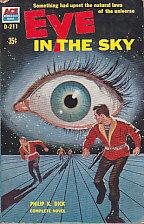 Eye in the skyDick Philip K.A surreal and satirical plunge into the terrifying, solipsistic universes born from our deepest prejudices and fears.
 Martian Time-SlipPhillip K. DickA dusty, paranoid descent into a fractured reality where time, sanity, and corporate greed collide on a desolate frontier.
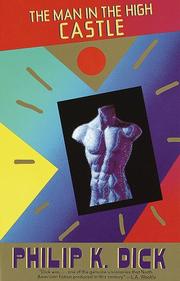 The Man in the High CastlePhilip DickA paranoid, mind-bending exploration of a fractured reality where history went wrong and truth is a dangerous illusion.
 The Stainless Steel Rat Saves the WorldHarry HarrisonA lively, high-stakes science fiction adventure centered on a clever rogue.