Books › The Man in the High Castle

The Man in the High Castle
First published 1999 · 448 pages
A paranoid, mind-bending exploration of a fractured reality where history went wrong and truth is a dangerous illusion.
What it feels like
Reading this novel feels like walking through a familiar room where all the furniture has been subtly rearranged to create a profound sense of wrongness. The pace is steady and deliberate, focusing less on explosive rebellion and more on the quiet, crushing weight of daily life under totalitarian rule. The prose is utilitarian yet deeply unsettling, perfectly mirroring the fractured psyches of characters who rely on the I Ching to navigate a world built on lies. The mood is steeped in paranoia and an eerie, creeping dread that slowly unravels the boundaries between fiction and reality. It is a deeply philosophical experience designed for readers who love alternate histories that challenge their perception of truth, fate, and the fragility of the world we know.
- Mood
- oppressive
- eerie
- surreal
- dread-soaked
- Tone
- cynical
- philosophical
- detached
- paranoid
- Pace
- steady
- Themes
- the nature of reality · totalitarianism · cultural assimilation · the illusion of truth · fate vs. free will
- The writing
- Utilitarian and slightly disjointed, reflecting the fractured psyches of the characters and the unsettling world they inhabit.
- The arc
- Moves from a state of suppressed anxiety and mundane survival to a disorienting, mind-bending realization of fractured reality.
- Who it's for
- Readers who enjoy philosophical science fiction, alternate histories, and narratives that question the fundamental nature of reality.
Content notes
- racism
- antisemitism
- fascism
- references to genocide
- totalitarian oppression
About the book
The Man in the High Castle is an alternate history novel by American writer Philip K. Dick. Published and set in 1962, the novel takes place fifteen years after an alternative ending to World War II, and concerns intrigues between the victorious Axis Powers—primarily, Imperial Japan and Nazi Germany—as they rule over the former United States, as well as daily life under the resulting totalitarian rule. The Man in the High Castle won the Hugo Award for Best Novel in 1963. Beginning in 2015, the book was adapted as a multi-season TV series, with Dick's daughter, Isa Dick Hackett, serving as one of the show's producers.
Reported inspirations include Ward Moore's alternate Civil War history, Bring the Jubilee (1953), various classic World War II histories, and the I Ching (referred to in the novel). The novel features a "novel within the novel" comprising an alternate history within this alternate history wherein the Allies defeat the Axis (though in a manner distinct from the actual historical outcome).
Description from Open Library.
Books like The Man in the High Castle
See why they match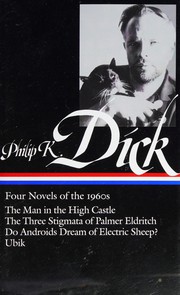 Four novels of the 1960sPhilip K. DickA dizzying plunge into simulated realities and alternate worlds where the very nature of perception is constantly called into question.
 Radio Free AlbemuthPhilip K. DickA paranoid, hallucinatory descent into an alternate America where political fascism meets cosmic revelation.
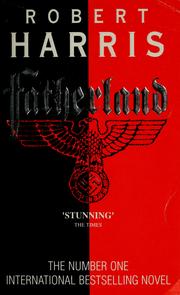 FatherlandRobert HarrisA chilling, paranoid descent into a meticulously crafted alternate reality where the truth is the most dangerous secret of all.
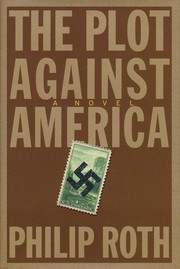 The Plot Against AmericaPhilip RothA chillingly plausible alternate history that filters the creeping dread of fascism through the intimate, terrified eyes of a child.
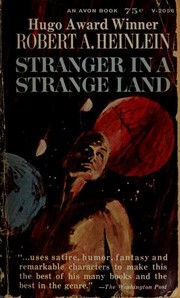 Stranger in a Strange LandRobert A. HeinleinA provocative, mind-expanding trip through mid-century counterculture disguised as a story about a man from Mars.
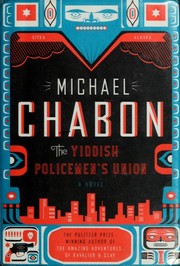 The Yiddish Policemen's UnionMichael ChabonA rain-slicked, neon-lit noir that wraps a weary detective story in exuberant, metaphor-rich prose and the heavy ache of exile.