Books › Earthlight

Earthlight
First published 1955 · 194 pages
A scientifically grounded, slow-burning geopolitical thriller set against the stark, awe-inspiring backdrop of the lunar surface.
What it feels like
Reading this classic hard science fiction novel feels like gazing through a high-powered telescope at a slowly unfolding interplanetary chess match. The narrative moves at a steady, deliberate pace, immersing you in the cold, vast beauty of the lunar landscape before ratcheting up the geopolitical tension. The prose is clear, analytical, and deeply invested in scientific accuracy, prioritizing the grand scale of human ingenuity and cosmic awe over intimate character drama. As the quiet observation gives way to explosive, spectacular conflict, the atmosphere shifts from wondrous to dread-soaked. It is a perfect fit for readers who love the golden age of sci-fi, where resource scarcity and political maneuvering collide in the stark, unforgiving vacuum of space.
- Mood
- vast
- tense
- cold
- wondrous
- Tone
- analytical
- earnest
- objective
- awe-struck
- Pace
- steady
- Themes
- geopolitical tension · resource scarcity · cosmic awe · human ingenuity · inevitability of conflict
- The writing
- Clear, precise, and scientifically grounded, prioritizing conceptual clarity and the grand scale of the cosmos over deep characterization.
- The arc
- Begins with quiet, analytical observation of the lunar landscape and slowly builds into a tense, explosive climax of interplanetary conflict.
- Who it's for
- Readers who crave classic hard science fiction where scientific accuracy, lunar landscapes, and political chess take center stage.
Content notes
- war themes
- political violence
About the book
From back cover Del Rey paperback September 1991:
The human race had been born on a unique world... a world loaded with mineral wealth, unmatched elsewhere in the solar system. This accident of fate gave a flying start to man's technology -- but it made man dependent on his home world.
What were the independent republics on Mars and Venus to do? United in a Federation, they were still dependent on Earth for such essentials as mercury, lead, uranium -- and modern technology could not survive without them.
There had to be a better way...
Description from Open Library.
Books like Earthlight
See why they match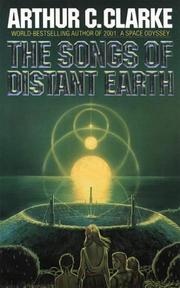 The Songs of Distant EarthArthur Charles ClarkeA quiet, sun-drenched meditation on the vastness of space, the loss of a homeworld, and the bittersweet beauty of fleeting human connection.
 Imperial EarthArthur C. ClarkeA quiet, cerebral journey across the solar system that explores the weight of legacy and the bittersweet nature of human progress.
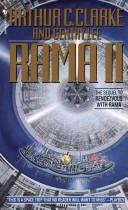 Rama IIArthur C. Clarke and Gentry LeeA tense, awe-inspiring journey where the greatest threat in an enigmatic alien vessel is the flawed humanity of the crew exploring it.
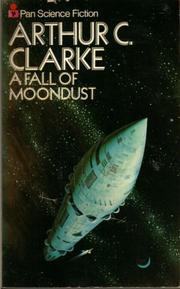 A Fall of MoondustArthur Charles ClarkeA methodical, ticking-clock survival thriller where physics is both the ultimate villain and the only savior.
 The Light of Other DaysStephen BaxterA mind-bending thought experiment that strips away the illusions of privacy and history, leaving you staring into the vast, humbling abyss of deep time.
 Blue remembered EarthAlastair ReynoldsA sprawling, sunlit journey across a utopian solar system where the weight of family history threatens to shatter a fragile peace.