Books › Ecclesiastical history

Ecclesiastical history
480 pages
A solemn, documentary-rich journey through the harrowing trials and ultimate triumph of the early Christian church.
What it feels like
Reading this foundational text feels like stepping into a hallowed, dimly lit archive filled with the echoes of the ancient world. The narrative moves at a steady, deliberate pace, acting less as a modern history and more as a reverent scrapbook of early Christianity. The prose is formal and heavily documentary, weaving the author's earnest, apologetic voice with extensive, invaluable quotations from lost letters and decrees. There is a solemn, antiquarian mood that permeates the reading experience, shifting gradually from the dread-soaked accounts of brutal martyrdoms to a soaring, providential triumph. It is a deeply rewarding experience for theology enthusiasts and history buffs who want to feel the texture of the early church's struggle for survival and its ultimate, world-altering vindication.
- Mood
- solemn
- antiquarian
- hallowed
- triumphant
- Tone
- reverent
- earnest
- didactic
- apologetic
- scholarly
- Pace
- steady
- Themes
- divine providence · endurance through persecution · preservation of truth · the blood of martyrs · institutional memory
- The writing
- Formal, archaic, and heavily documentary, weaving the author's earnest narrative together with extensive, invaluable quotations from lost ancient texts.
- The arc
- The reader journeys through centuries of harrowing persecution and theological struggle, culminating in a profound sense of providential triumph and vindication.
- Who it's for
- Theology enthusiasts, classicists, and history buffs who relish diving into primary sources to witness the foundational centuries of the Christian church.
Content notes
- descriptions of torture
- religious persecution
- graphic martyrdoms
- ancient religious prejudice
About the book
Sometimes called the "Christian Herodotus" and often referred to as the "Father of ecclesiastical history," Eusebius (A.D. 263-339) has earned legitimate fame as the historian of Christian antiquity. An intimate friend of the Emperor Constantine, the Greek Bishop Eusebius wrote the only surviving account of the church during its crucial first 300 years. - Jacket flap.
Description from Open Library.
Books like Ecclesiastical history
See why they match Early Christian doctrinesJ. N. D. KellyA rigorous, steady exploration of the intellectual and theological foundations of the early church.
 HistoryHerodotusA sprawling, gossipy, and endlessly curious journey through the ancient world that blends myth, ethnography, and the clash of empires.
 History of the Decline and Fall of the Roman Empire Complete and UnabridgedEdward GibbonA majestic, deeply ironic chronicle of a civilization's slow and inevitable decay.
 The Rise of ChristianityRodney StarkA fast-paced, myth-busting sociological investigation into how a tiny messianic movement transformed into a dominant cultural force.
 Christian theologyAlister E. McGrathA sweeping, structured journey through two thousand years of Christian intellectual history and systematic doctrine.
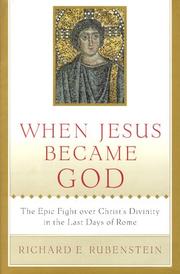 When Jesus Became GodRichard E. RubensteinA tense, intellectually charged journey into the theological battles that fractured an empire and shaped a global religion.