Books › Ecological methodology

Ecological methodology
First published 1989 · 654 pages
A rigorous, foundational guide that transforms the messy reality of the natural world into structured, quantifiable data.
What it feels like
Reading this foundational text feels like sitting in a well-lit lab after a long day in the field, translating muddy boots and raw observations into clean, actionable data. The pace is steady and demanding, requiring a pencil in hand and a highly focused mind. Krebs writes with an authoritative, no-nonsense clarity that strips away ambiguity, offering a pragmatic anchor for researchers navigating the complexities of ecological statistics. The mood is deeply academic and rigorous, appealing to those who find comfort in methodology, equations, and precision. It is a book that delights field biologists, graduate students, and data-driven naturalists who want to understand the mechanics of population dynamics and community structures through a deeply analytical, uncompromisingly empirical lens.
- Mood
- academic
- focused
- rigorous
- pragmatic
- Tone
- objective
- authoritative
- analytical
- instructional
- Pace
- steady
- Themes
- scientific rigor · quantifying nature · methodological precision · empirical observation
- The writing
- Clear, dense, and highly technical, prioritizing accuracy and instructional clarity over literary flair.
- The arc
- Moves from the overwhelming complexity of raw field data to the satisfying clarity of structured, statistical understanding.
- Who it's for
- Ecology students, field biologists, and researchers who need a reliable, comprehensive reference for designing experiments and analyzing field data.
Books like Ecological methodology
See why they match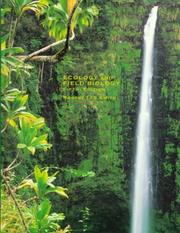 Ecology and field biologyRobert Leo SmithA foundational, hands-on guide that transforms a walk in the woods into a masterclass on the interconnectedness of life.
 Biostatistical analysisJerrold H. ZarA rigorous, foundational anchor that transforms daunting numerical data into clear, actionable biological insights.
 Basic statisticsChris SpatzA patient, structured guide that transforms the daunting world of numbers into an accessible toolkit for understanding reality.
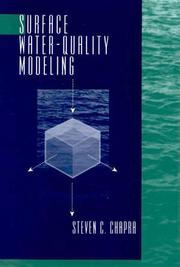 Surface water-quality modelingSteven C. ChapraA rigorous, foundational journey into translating the complexities of natural water systems into solvable mathematical frameworks.
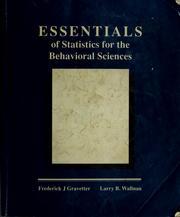 Essentials of statistics for the behavioral sciencesFrederick J. GravetterA patient, structured guide that transforms intimidating mathematical concepts into accessible tools for understanding human behavior.
- Statistical concepts for the behavioral sciencesHarold O. KiessA methodical, clear-eyed guide that transforms intimidating data into accessible tools for understanding human behavior.