Books › Embracing Defeat

Embracing Defeat
First published 1999 · 688 pages
A sweeping, deeply human portrait of a shattered nation piecing itself back together under the shadow of its conquerors.
What it feels like
Reading this book feels like walking through the rubble of a fallen empire just as the dust begins to settle and new life takes root. It is a steady, deeply immersive experience that balances the grand sweep of geopolitical maneuvering with the intimate, often heartbreaking realities of daily survival. The prose is authoritative yet profoundly empathetic, drawing you into a world defined by exhaustion, humiliation, and an astonishing capacity for reinvention. You are immersed in a transformative atmosphere where old dogmas crumble and ordinary people must forge new identities under the watchful eyes of an occupying force. It will captivate readers who love sweeping, culturally nuanced histories that prioritize the human experience of monumental societal shifts.
- Mood
- reflective
- somber
- resilient
- transformative
- Tone
- scholarly
- empathetic
- nuanced
- authoritative
- observant
- Pace
- steady
- Themes
- societal trauma · cultural reinvention · the human cost of war · imperialism and occupation · resilience and adaptation
- The writing
- Lucid, deeply researched, and richly textured, weaving high-level political analysis with poignant ground-level human stories.
- The arc
- Moves from the devastating shock and exhaustion of total defeat to a complex, pragmatic, and often messy rebirth.
- Who it's for
- Readers who crave immersive, culturally sensitive history that explores how ordinary people navigate the aftermath of world-shattering events.
Content notes
- war trauma
- starvation and poverty
- imperialism
- descriptions of wartime devastation
About the book
John Dower, distinguished historian of modern Japan, casts his eye on the immediate aftermath of World War II. Drawing on a vast range of Japanese sources, this new study illuminates how shattering defeat followed by over six years of American military occupation affected every level of Japanese society in ways that neither the victor nor the vanquished could anticipate.
The great achievement of Embracing Defeat lies in its vivid portrayal of the countless ways in which the Japanese met the challenge of "starting over" - from top-level manipulations concerning the fate of Emperor Hirohito to the hopes, fears, and activities of ordinary men and women in every walk of life.
This is a fascinating portrait of an extraordinary moment in history, when new values warred with old and early ideals of demilitarization and radical reform were soon challenged by the United States's decision to incorporate Japan into the Cold War Pax Americana.
Description from Open Library.
Books like Embracing Defeat
See why they match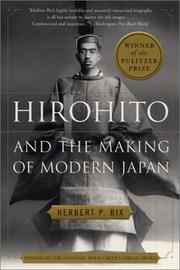 Hirohito and the Making of Modern JapanHerbert P. BixA monumental, myth-shattering biography that meticulously dismantles the facade of a passive monarch to reveal the chilling architecture of imperial power.
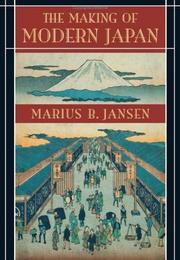 The Making of Modern JapanMarius B. JansenA sweeping, thoughtful exploration of how a nation absorbs profound change while remaining remarkably true to its core identity.
 The rising sunJohn TolandA sweeping, tragic epic that places you inside the rooms where catastrophic decisions were made and on the battlefields where their costs were paid.
 PostwarTony JudtA magisterial, sweeping journey through the ashes of a shattered continent as it painstakingly rebuilds its identity and its borders.
 The Rise and Fall of the Third ReichWilliam L. ShirerA monumental, dread-soaked chronicle of a modern society's descent into absolute darkness, told with the gripping immediacy of a journalist who watched it happen.
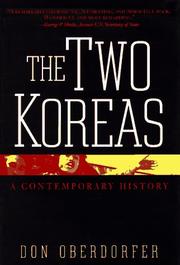 The two KoreasDon OberdorferA gripping, authoritative deep-dive into the high-stakes geopolitical chess match that divided a peninsula and shaped the modern world.