Books › Postwar
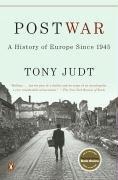
Postwar
A History of Europe Since 1945
First published 2005 · 1055 pages
A magisterial, sweeping journey through the ashes of a shattered continent as it painstakingly rebuilds its identity and its borders.
What it feels like
Reading this book feels like standing on a high vantage point watching a shattered continent slowly piece itself back together. It is a steady, magisterial experience that demands your time but rewards it with profound clarity. The prose is elegant and incisive, carrying you through decades of political tension, cultural rebirth, and collective trauma with a deeply humane, analytical voice. You are immersed in a contemplative, sometimes somber atmosphere where the ghosts of the past constantly brush up against the ambitions of the future. It is perfect for the intellectually ravenous reader who wants to feel the weight of history and understand the complex, fragile tapestry of modern identity forged in the crucible of war.
- Mood
- sweeping
- contemplative
- somber
- intellectually rigorous
- Tone
- authoritative
- elegiac
- analytical
- humane
- incisive
- Pace
- steady
- Themes
- the shadow of war · memory and forgetting · the fragility of democracy · cultural rebirth · mythmaking of nations
- The writing
- Elegant, lucid, and magisterial, balancing grand historical synthesis with sharp, memorable aphorisms.
- The arc
- Moves from the devastating ruins and trauma of the immediate postwar years through a tense recovery, culminating in a cautious reflection on modern identity.
- Who it's for
- Intellectually curious readers who crave deep, comprehensive narratives that connect political events to cultural and social shifts.
Content notes
- war trauma
- Holocaust references
- political violence
- mass displacement
About the book
The first truly European history of contemporary Europe, from Lisbon to Leningrad, based on research in six languages, covering 34 countries across 60 years, using a great deal of material from newly available sources. The book integrates international relations, domestic politics, ideas, social change, economic development, and culture--high and low--into a single grand narrative. Every country has its chance to play the lead, and although the big themes are handled--including the cold war, the love/hate relationship with America, cultural and economic malaise and rebirth, and the myth and reality of unification--none of them is allowed to overshadow the rich pageant that is the whole.--From publisher description.
Description from Open Library.
Books like Postwar
See why they match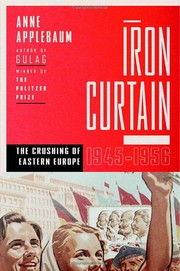 Iron CurtainAnne ApplebaumA chilling, meticulously detailed descent into the mechanics of totalitarianism and the suffocating reality of life under absolute state control.
 From Dawn to DecadenceJacques BarzunA sweeping, graceful journey through five hundred years of Western intellectual and cultural history.
 The post-American worldFareed ZakariaA clear-eyed, panoramic view of a rapidly changing globe that replaces anxiety with pragmatic optimism.
 The Cold WarJohn Lewis GaddisA sweeping, authoritative journey through the ideological standoff that held the world hostage for half a century.
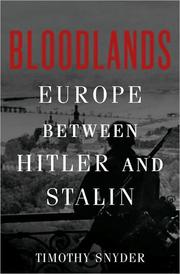 BloodlandsTimothy SnyderA harrowing, meticulously researched descent into the darkest geography of the twentieth century, demanding witness to unimaginable human suffering.
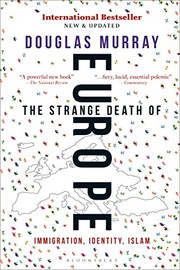 The strange death of EuropeDouglas MurrayA somber, urgent lament for a continent's shifting cultural identity and uncertain future.