Books › Emma

Emma
897 pages
A sparkling, satirical romp through the drawing rooms of an insular village, guided by a heroine who is as maddeningly flawed as she is utterly charming.
What it feels like
Reading this novel feels like sitting in a sunlit drawing room with your most observant, sharp-tongued friend, watching the neighbors make fools of themselves while slowly realizing you are the biggest fool of all. The pacing is delightfully leisurely, built entirely on the low-stakes, high-drama friction of social calls, misread glances, and disastrously misguided matchmaking. It is a masterclass in dramatic irony, wrapping the reader in a cozy, pastoral atmosphere that is constantly punctured by wry, sparkling wit. You will spend half the book wanting to shake the protagonist and the other half fiercely rooting for her to figure it out. It is a perfect comfort read for anyone who loves brilliant banter, slow-burn romance, and the humbling, hilarious journey of growing up.
- Mood
- cozy
- sunlit
- intimate
- gently comedic
- Tone
- wry
- satirical
- sparkling
- affectionate
- observant
- Pace
- leisurely
- Themes
- the folly of youth · self-delusion · social hierarchy · the humbling nature of love · unintentional mischief
- The writing
- Elegant and sharply witty, utilizing pioneering free indirect discourse to trap the reader delightfully within a flawed perspective.
- The arc
- Moves from smug, oblivious self-satisfaction through mortifying self-realization to mature, grounded affection.
- Who it's for
- Readers who delight in sparkling banter, low-stakes social maneuvering, and heroines who are allowed to be delightfully wrong.
Content notes
- historical classism
About the book
Emma, by Jane Austen, is a novel about youthful hubris and the perils of misconstrued romance. The novel was first published in December 1815. As in her other novels, Austen explores the concerns and difficulties of genteel women living in Georgian-Regency England; she also creates a lively comedy of manners among her characters. Before she began the novel, Austen wrote, "I am going to take a heroine whom no one but myself will much like." In the very first sentence she introduces the title character as "Emma Woodhouse, handsome, clever, and rich." Emma, however, is also rather spoiled, headstrong, and self-satisfied; she greatly overestimates her own matchmaking abilities; she is blind to the dangers of meddling in other people's lives; and her imagination and perceptions often lead her astray.
Description from Open Library.
Books like Emma
See why they match Pride and PrejudiceJane AustenA sparkling, slow-burn battle of wits where the greatest obstacle to love is one's own stubborn ego.
 Novels (Emma / Mansfield Park / Northanger Abbey / Persuasion / Pride and Prejudice / Sense and Sensibility)Jane AustenA sweeping collection of classic English fiction that immerses the reader in the timeless dramas of courtship and family life.
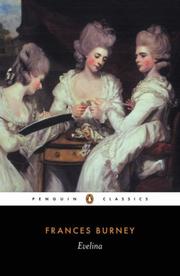 EvelinaFrances BurneyA sparkling, epistolary romp through 18th-century London that balances sharp satirical bite with the breathless anxiety of a debutante's first season.
 Tess of the d'UrbervillesThomas HardyA lush, devastating portrait of a woman crushed by the relentless machinery of fate and social hypocrisy.
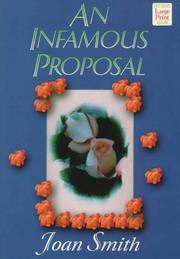 An Infamous ProposalJoan SmithA sparkling, banter-filled romp where a pragmatic marriage proposal accidentally ignites a delightfully stubborn romance.
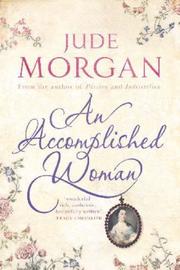 An Accomplished WomanJude MorganA witty, tangled romp through Regency society where a fiercely independent spinster discovers that managing others' romances might just reignite her own.