Books › Empire

Empire
How Great Britain Made the Modern World
553 pages
A sweeping, provocative journey through the mechanics of global power that challenges how we view the foundations of the modern world.
What it feels like
Reading this book feels like standing on a high vantage point, watching centuries of global history unfold in a sweeping, interconnected panorama. The narrative moves at a steady, deliberate pace, carrying you through the complex mechanics of trade, conquest, and cultural diffusion with a confident, often provocative voice. It is an intensely intellectual experience, immersing the reader in an expansive atmosphere where the echoes of the past constantly reverberate into the present. The prose is sharp and persuasive, seamlessly weaving macroeconomic analysis with vivid human anecdotes. It will deeply satisfy history enthusiasts and geopolitical thinkers who enjoy grappling with grand, controversial arguments about how power, economics, and ambition forged the architecture of the modern world.
- Mood
- intellectual
- expansive
- grandiose
- contemplative
- Tone
- provocative
- confident
- analytical
- sweeping
- argumentative
- Pace
- steady
- Themes
- the mechanics of global power · historical legacy and modernity · the double-edged sword of imperialism · roots of globalization · cultural diffusion
- The writing
- Persuasive and highly readable, blending macroeconomic data with vivid, character-driven historical anecdotes.
- The arc
- Moves from a sense of awe at the sheer scale of expansion to a complex, often uncomfortable reckoning with its enduring global consequences.
- Who it's for
- Readers who crave grand, sweeping historical narratives that connect the distant past to contemporary geopolitics.
Content notes
- historical violence
- colonialism
- slavery
- racism
- warfare
About the book
In this book Niall Ferguson argues that the British Empire should be regarded not merely as vanished Victoriana but as the very cradle of modernity. Nearly all the key features of the twenty-first-century world can be traced back to the extraordinary expansion of Britain's economy, population, and culture from the seventeenth century until the mid-twentieth--economic globalization, the communications revolution, the racial make-up of North America, the notion of humanitarianism, the nature of democracy. Ferguson shows that far from being a subject for nostalgia, the story of the Empire contains.
Ferguson shows that far from being a subject for nostalgia, the story of the Empire contains lessons for the world today--in particular for the United States as it stands on the brink of a new kind of imperial power based once again on economic and military supremacy.
Description from Open Library.
Books like Empire
See why they match Why the West Rules - For NowIan MorrisA sweeping, God's-eye view of human history that turns millennia of data into a gripping puzzle about geography, power, and our collective future.
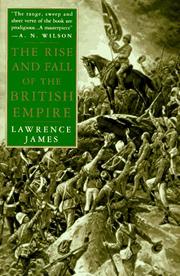 The rise and fall of the British EmpireLawrence JamesA sweeping, scholarly exploration of the mechanics of power, tracing the long arc of imperial ambition and its inevitable unraveling.
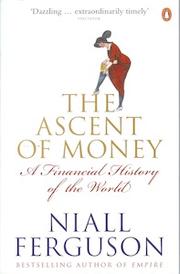 The ascent of moneyNiall FergusonAn expansive, eye-opening journey that reveals the invisible financial scaffolding holding up human history.
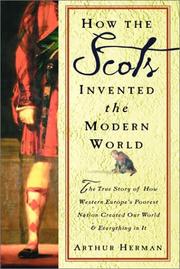 How the Scots invented the Modern WorldArthur HermanA sweeping, enthusiastic journey through the intellectual awakening that quietly built the modern world.
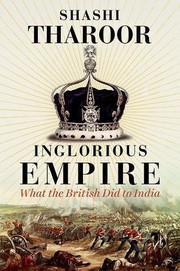 Inglorious EmpireShashi TharoorA fiercely articulate and righteous dismantling of imperial myths that leaves you intellectually electrified and profoundly indignant.
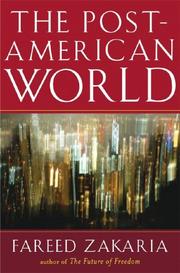 The post-American worldFareed ZakariaA clear-eyed, panoramic view of a rapidly changing globe that replaces anxiety with pragmatic optimism.