Books › How the Scots invented the Modern World
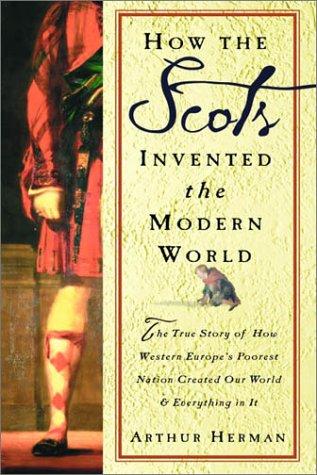
How the Scots invented the Modern World
480 pages
A sweeping, enthusiastic journey through the intellectual awakening that quietly built the modern world.
What it feels like
Reading this book feels like sitting in a pub with a brilliant, endlessly enthusiastic historian who is determined to change the way you see the world. It moves at a brisk, engaging clip, sweeping you from the rugged highlands to the bustling streets of Edinburgh and out to the far reaches of the British Empire. The mood is expansive and triumphant, steeped in the thrill of intellectual discovery as it connects seemingly disparate dots between philosophy, economics, and modern democracy. Herman's prose is lively and accessible, favoring colorful biographical sketches and grand narrative arcs over dry academic dates. It is a deeply satisfying read for history enthusiasts who love big-picture narratives and uncovering the hidden cultural roots of contemporary society, leaving you with a profound appreciation for the outsized legacy of a small nation.
- Mood
- intellectual
- expansive
- triumphant
- illuminating
- Tone
- enthusiastic
- informative
- persuasive
- admiring
- Pace
- brisk
- Themes
- the power of ideas · intellectual awakening · cultural legacy · the shaping of modernity · diaspora and influence
- The writing
- Accessible, narrative-driven, and lively, blending colorful biographical sketches with broad historical analysis.
- The arc
- Moves from curiosity about a rugged, marginalized nation to a sweeping sense of awe at their outsized global impact.
- Who it's for
- History buffs who enjoy grand narratives, intellectual history, and discovering the hidden roots of modern society.
Content notes
- colonialism
- historical violence
About the book
"Mention of Scotland and the Scots usually conjures up images of kilts, bagpipes, Scotch whisky, and golf. But as historian and author Arthur Herman demonstrates, in the eighteenth and nineteenth centuries Scotland earned the respect of the rest of the world for its crucial contributions to science, philosophy, literature, education, medicine, commerce, and politics - contributions that have formed and nurtured the modern West ever since.".
"Here is the untold story of how John Knox and the Church of Scotland laid the foundation for our modern idea of democracy; how the Scottish Enlightenment helped to inspire both the American Revolution and the U.S. Constitution; and how thousands of Scottish immigrants left their homes to create the American frontier, the Australian outback, and the British Empire in India and Hong Kong.".
"How the Scots Invented the Modern World reveals how Scottish genius for creating the basic ideas and institutions of modern life stamped the lives of a series of remarkable historical figures, from James Watt and Adam Smith to Andrew Carnegie and Arthur Conan Doyle, and how Scottish heroes continue to inspire our contemporary culture, from William "Braveheart" Wallace to James Bond."--BOOK JACKET.
Description from Open Library.
Books like How the Scots invented the Modern World
See why they match EmpireNiall FergusonA sweeping, provocative journey through the mechanics of global power that challenges how we view the foundations of the modern world.
 Why the West Rules - For NowIan MorrisA sweeping, God's-eye view of human history that turns millennia of data into a gripping puzzle about geography, power, and our collective future.
 The wealth and poverty of nationsDavid S. LandesA sweeping, opinionated masterclass in economic history that challenges the reader to grapple with the cultural and technological roots of global inequality.
 IdeasPeter WatsonA sweeping, panoramic journey through the evolution of human thought that leaves the reader feeling intellectually expanded and deeply connected to the past.
 The ascent of moneyNiall FergusonAn expansive, eye-opening journey that reveals the invisible financial scaffolding holding up human history.
 Where good ideas come fromSteven JohnsonAn illuminating, cross-disciplinary journey that reveals how collaboration, serendipity, and shared spaces spark human progress.