Books › Epistemic injustice

Epistemic injustice
Power and the Ethics of Knowing
208 pages
A paradigm-shifting philosophical framework that finally gives a name to the invisible ways power dictates whose voice is believed.
What it feels like
Reading this book feels like putting on a pair of glasses that suddenly brings the blurry injustices of everyday life into sharp, undeniable focus. It is a steady, rigorous, and deeply validating intellectual journey. The prose is academic but remarkably accessible, grounding abstract epistemological concepts in visceral, real-world examples of silencing and marginalization. As you move through its arguments, the mood shifts from the heavy frustration of recognizing systemic prejudice to the profound empowerment of finally having the vocabulary to name it. It is an essential, paradigm-shifting read for anyone who has ever felt unheard and for those who want to understand the invisible architecture of power, belief, and credibility in our society.
- Mood
- intellectually stimulating
- validating
- serious
- paradigm-shifting
- Tone
- analytical
- urgent
- empathetic
- rigorous
- Pace
- steady
- Themes
- power and knowledge · systemic silencing · ethics of belief · structural inequality · credibility deficit
- The writing
- Clear, rigorous, and accessible academic prose that grounds abstract philosophical concepts in relatable literary and historical examples.
- The arc
- Moves from the heavy frustration of recognizing systemic prejudice to the profound empowerment of finally having the vocabulary to name it.
- Who it's for
- Readers interested in feminist theory, social justice, and philosophy who want rigorous frameworks to understand everyday inequalities.
Content notes
- systemic oppression
- sexism
- racism
- sexual harassment
Books like Epistemic injustice
See why they match JusticeMichael SandelA stimulating intellectual workout that transforms abstract philosophy into urgent, everyday moral questions.
 A theory of justiceJohn RawlsA rigorous, monumental thought experiment that challenges you to rebuild society from scratch behind a veil of ignorance.
 Cynical TheoriesHelen Pluckrose and James LindsayA methodical, urgent autopsy of how obscure academic theories escaped the campus and reshaped modern culture.
 The Subjection of WomenJohn Stuart MillA methodical, impassioned dismantling of patriarchal logic that feels as urgent today as it did in the nineteenth century.
 The Madness of CrowdsDouglas MurrayA sharp, provocative dissection of modern cultural orthodoxies that serves as an intellectual battle cry against the exhaustion of the culture wars.
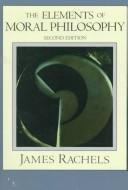 The elements of moral philosophyJames RachelsA remarkably clear and patient guide through the thorny thickets of human morality and ethical decision-making.