Books › Erinnerungen

Erinnerungen
848 pages
A heavy, formal immersion into the chilling architecture of mid-century political power and the devastating realities of World War II.
What it feels like
Reading this book feels like stepping into a heavy, somber archive of mid-century history. The pace is steady and deliberate, guiding the reader through a formal, structured exploration of political power, architecture, and the chilling realities of National Socialism. The mood is inherently dark and reflective, weighed down by the immense historical gravity of World War II and the inner workings of a fascist government. The prose, shaped by its mid-century translation, is serious and methodical, offering a chillingly bureaucratic lens on devastating historical events. It is a deeply sobering experience, perfect for readers who are drawn to rigorous historical biographies and want to understand the stark, unvarnished mechanics of twentieth-century political machinery.
- Mood
- somber
- heavy
- chilling
- historical
- Tone
- serious
- formal
- reflective
- methodical
- Pace
- steady
- Themes
- the machinery of power · historical reflection · political architecture · ideological consequences
- The writing
- Formal, structured, and historically grounded, reflecting its mid-century translation and biographical nature.
- The arc
- A steady immersion into the chilling realities of mid-century political power and its devastating historical consequences.
- Who it's for
- Readers fascinated by the inner workings of WWII-era governments, the psychology of power, and detailed historical biographies.
Content notes
- war
- fascism
- political violence
About the book
This translation originally published, New York: Macmillan, 1970, and London: Weidenfeld and Nicolson, 1970. - Translation of 'Erinnerungen'. Berlin: Propyläen-Verlag Frankfurt am Main, Ulestein, 1969.
Introduction by Eugene Davidson.
Translated from the German by Richard and Clara Winston.
Description from Open Library.
Books like Erinnerungen
See why they match Anmerkungen zu HitlerSebastian HaffnerA razor-sharp, unsentimental dissection of history's darkest figure that reads like a brilliant, chilling autopsy of tyranny.
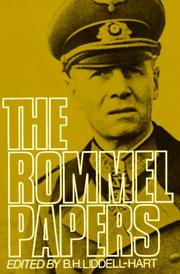 The Rommel papersErwin RommelA stark, primary-source window into the tactical realities and command decisions of World War II.
 Mein KampfAdolf HitlerA dense, disturbing descent into the paranoid and fanatical mind that orchestrated one of history's greatest atrocities.
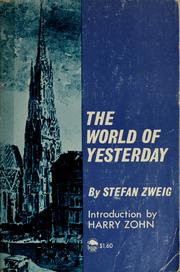 The World of YesterdayStefan ZweigA contemplative and historically grounded exploration of an Austrian literary life in the early twentieth century.
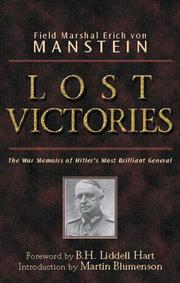 Verlorene SiegeErich von MansteinA clinical, highly detailed masterclass in military strategy that doubles as a controversial exercise in historical self-justification.
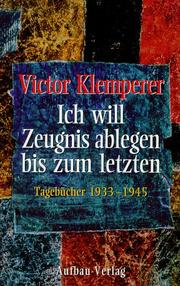 Ich will Zeugnis ablegen bis zum letztenVictor KlempererA meticulous, dread-soaked diary that bears witness to the slow, suffocating creep of totalitarianism.