Books › Escape from Evil

Escape from Evil
First published 1975 · 188 pages
A profound, heavy plunge into the psychological roots of human destructiveness and our desperate quest for immortality.
What it feels like
Reading this book feels like staring directly into the abyss of human nature with a brilliant, uncompromising guide. It is a steady, intellectually demanding journey that strips away the comforting illusions of culture and society to reveal the raw, existential terror beneath. The mood is undeniably heavy and sobering, steeped in a profound pessimism that is nevertheless deeply illuminating. The prose is passionate and psychoanalytic, driven by an urgent need to explain why humanity so consistently turns to violence, scapegoating, and inequality. It is not a light read, but rather a transformative, paradigm-shifting experience for those who crave philosophical depth. Readers who are willing to confront the darkest psychological underpinnings of human behavior will find this an unforgettable, paradigm-shifting exploration of mortality and meaning.
- Mood
- existential
- sobering
- heavy
- intellectually rigorous
- Tone
- urgent
- unflinching
- philosophical
- pessimistic
- erudite
- Pace
- steady
- Themes
- the terror of mortality · origins of human destructiveness · symbolic immortality · the psychology of scapegoating · culture as illusion
- The writing
- Passionate and psychoanalytic, blending academic rigor with a prophetic, urgent clarity.
- The arc
- Begins with a stark confrontation of human mortality and descends into a sobering realization of how our desperate need to deny death fuels societal atrocities.
- Who it's for
- Deep thinkers and armchair philosophers who crave unflinching, psychoanalytic explanations for the darker aspects of human nature.
Content notes
- existential dread
- discussions of death and mortality
- societal violence
About the book
reason for overlooking the momentous place that ritual has had in the life of mankind. The fact is that primitive man imagined he could transfer life from one thing to another, that he could, for example, take the spirit-power that resided in the scalp on an enemy and, by proper dancing and chanties, transfer that life from its former owner to the new one.
Description from Open Library.
Books like Escape from Evil
See why they match The Denial of DeathErnest BeckerAn unflinching, paradigm-shifting exploration of the psychological armor we build to hide from our own mortality.
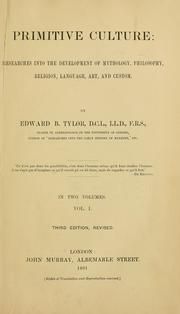 Primitive cultureEdward B. TylorA sweeping, foundational journey into the origins of human belief, myth, and the shared architecture of the mind.
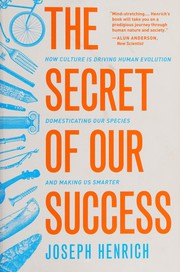 The secret of our successJoseph Patrick HenrichA paradigm-shifting exploration that dismantles the myth of the lone genius to reveal the true superpower of our species: our collective brain.
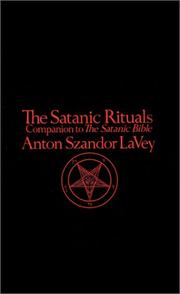 Satanic RitualsAnton La VeyA pragmatic, unapologetic exploration of how fantasy and ritual shape the subjective mind.
 Power of RitualCasper ter KuileA warm, guiding light for anyone looking to infuse their ordinary routines with profound meaning and connection.
 The Ape that Understood the UniverseSteve Stewart-WilliamsAn expansive, intellectually stimulating exploration of how a biological primate developed the capacity to ponder its own existence.