Books › Essays and aphorisms

Essays and aphorisms
selected and translated with an introd. by R.J. Hollingdale.
240 pages
A brilliantly cynical and beautifully written plunge into the irrationality of human existence and the quiet solace of art.
What it feels like
Reading this collection feels like sitting in a dimly lit, wood-paneled study with a brilliant but deeply cynical mentor who is determined to strip away all your comforting illusions. The pace is steady and contemplative, inviting you to linger over biting aphorisms and elegantly constructed arguments that expose the blind, irrational will driving human behavior. The mood is undeniably stark and pessimistic, yet there is a strange, austere comfort in its unflinching honesty. The prose is remarkably clear and forceful, avoiding dense jargon in favor of sharp metaphors and piercing wit. It is a deeply solitary, intellectually rigorous experience that will delight readers who find solace in philosophical pessimism and the quiet, redemptive power of aesthetic contemplation.
- Mood
- stark
- contemplative
- gloomy
- solitary
- Tone
- cynical
- authoritative
- witty
- misanthropic
- unflinching
- Pace
- steady
- Themes
- the futility of existence · the irrationality of human nature · the solace of art · existential resignation · the illusion of progress
- The writing
- Clear, forceful, and surprisingly accessible, marked by sharp metaphors and biting aphorisms.
- The arc
- Moves from a stark confrontation with the bleakness of human existence to a quiet, austere resignation found in aesthetic contemplation.
- Who it's for
- Readers who appreciate unflinching philosophical pessimism, sharp wit, and elegant arguments against the inherent goodness of human nature.
Content notes
- existential dread
- misogyny
- suicide
- misanthropy
About the book
One of the greatest philosophers of the nineteenth century, Schopenhauer (1788-1860) believed that human action is determined not by reason but by 'will' - the blind and irrational desire for physical existence. This selection of his writings on religion, ethics, politics, women, suicide, books and many other themes is taken from Schopenhauer's last work, Parerga and Paralipomena, which he published in 1851. These pieces depict humanity as locked in a struggle beyond good and evil, and each individual absolutely free within a Godless world, in which art, morality and self-awareness are our only salvation. This innovative - and pessimistic - view has proved powerfully influential upon philosophy and art, directly affecting the work of Nietzsche, Wittgenstein and Wagner among others.
Description from Open Library.
Books like Essays and aphorisms
See why they match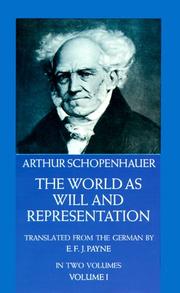 Die Welt als Wille und VorstellungArthur SchopenhauerA beautifully written, uncompromising plunge into the illusion of reality and the inescapable suffering of existence.
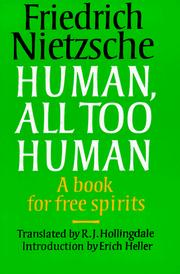 Menschliches, AllzumenschlichesFriedrich NietzscheA bracing plunge into the cold bath of reason, stripping away the comforting illusions of morality and metaphysics.
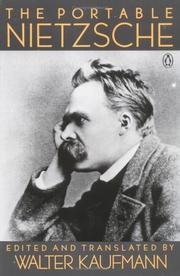 The portable NietzscheFriedrich NietzscheA fierce, poetic dismantling of traditional morality that challenges you to forge your own meaning in the void.
 On the advantage and disadvantage of history for lifeFriedrich Wilhelm NietzscheA rigorous, reflective exploration of how the study of the past shapes and serves modern philosophical thought.
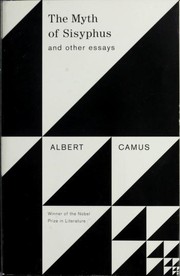 The Myth of Sisyphus and Other EssaysAlbert CamusA lyrical and defiant meditation on finding meaning and joy in a universe that refuses to offer any.
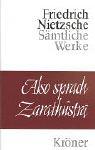 Also sprach ZarathustraFriedrich NietzcheA thunderous, poetic descent from the mountaintop to deliver a radical gospel of self-creation and existential joy.