Books › Evil

Evil
320 pages
A provocative, science-backed exploration that dismantles our cultural assumptions about what makes a person truly monstrous.
What it feels like
Reading this book feels like sitting in on a fascinating, slightly unsettling masterclass on the darker shades of human nature. The pace is steady and deliberate, guiding the reader through complex intersections of neuroscience, sociology, and moral philosophy without ever feeling bogged down in academic jargon. The mood is intellectually stimulating yet inherently provocative, asking us to look closely at our cultural obsessions with serial killers and violence. It strips away the sensationalism of true crime to offer a nuanced, research-driven lens on why people do bad things. This is a perfect read for armchair psychologists and philosophy enthusiasts who want to challenge their own deeply held beliefs about morality, deviance, and the very concept of evil itself.
- Mood
- intellectually stimulating
- unsettling
- contemplative
- Tone
- analytical
- provocative
- nuanced
- objective
- inquisitive
- Pace
- steady
- Themes
- the relativity of morality · the psychology of transgression · cultural definitions of deviance · the science of human behavior
- The writing
- Clear, research-driven, and accessible, translating complex neuroscience and psychology into thought-provoking arguments.
- The arc
- Moves from a morbid fascination with monstrous acts to a grounded, nuanced understanding of human fallibility.
- Who it's for
- Readers fascinated by true crime, moral philosophy, and the darker corners of human psychology who want scientific explanations over sensationalism.
Content notes
- discussions of serial killers
- violence
- bloodlust
- criminal behavior
About the book
Dr. Julia Shaw, a criminal psychologist uses the latest scientific research to offer a more enlightened and nuanced explanation for why people behave so badly and how we can prevent evil acts by understanding more profoundly how such acts come about - and what truly makes us evil.
From our obsession with serial killers to violence in pop culture, we seem drawn to the stories of monstrous acts and the aberrant people who commit them. Shaw argues that evil is relative, rooted in our unique cultures. What one may consider normal, like sex before marriage, eating meat, or being a banker, others find abhorrent. And if evil is only in the eye of the beholder, can it be said to exist at all? Here she breaks down concepts like the neuroscience of evil, the psychology of bloodlust, and workplace misbehavior to explain how we can prevent evil acts by understanding more profoundly how such acts come about. -- adapted from jacket
Description from Open Library.
Books like Evil
See why they match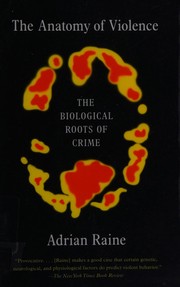 The anatomy of violenceAdrian RaineA chilling, scientifically grounded exploration of the biological roots of human evil that will fundamentally alter how you view free will.
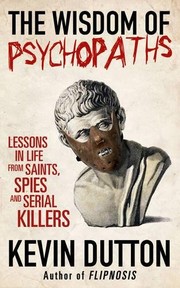 The wisdom of psychopathsKevin DuttonA provocative, darkly fascinating romp through the human brain that asks if a little bit of ruthlessness might actually be a good thing.
 Confessions of a sociopathM. E. ThomasA chillingly charismatic and unapologetic tour through the mind of a self-aware predator.
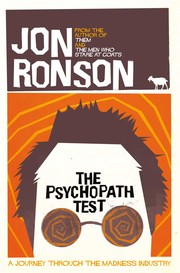 The Psychopath TestJon RonsonA darkly funny, slightly paranoid plunge into the blurry line between eccentricity and clinical madness.
 Without conscienceRobert D. HareA chilling, eye-opening descent into the minds of human predators that will leave you questioning the motives of everyone you meet.
 The Lucifer effectZimbardo, PhilipA chilling, meticulously researched descent into the dark side of human nature that will make you question what you are truly capable of.