Books › Existentialism Is a Humanism

Existentialism Is a Humanism
128 pages
A brisk, electrifying defense of human freedom that places the heavy, exhilarating burden of meaning squarely on your shoulders.
What it feels like
Reading this foundational lecture feels like sitting in a crowded, smoke-filled Parisian cafe in 1945, listening to a brilliant mind passionately defend human agency. The pace is surprisingly brisk, driven by the urgency of spoken rhetoric rather than the slow plod of academic treatises. Sartre's tone is earnest and persuasive, stripping away dense philosophical jargon to deliver a stark but ultimately empowering message about radical freedom. The mood is weighty yet exhilarating, plunging you into the dizzying realization that you are entirely responsible for your own essence. It is a thought-provoking, accessible text that will delight armchair philosophers, seekers of meaning, and anyone ready to grapple with the heavy, beautiful burden of choosing how to live.
- Mood
- thought-provoking
- stark
- empowering
- weighty
- Tone
- earnest
- persuasive
- intellectual
- defensive
- accessible
- Pace
- brisk
- Themes
- radical freedom · personal responsibility · the burden of choice · meaning-making · human agency
- The writing
- Direct, conversational, and surprisingly accessible, stripping away dense academic jargon for clear, forceful rhetoric.
- The arc
- Moves from the stark, dizzying realization of absolute freedom to an empowering, albeit heavy, acceptance of universal responsibility.
- Who it's for
- Curious thinkers and armchair philosophers looking for a foundational, accessible entry point into existentialist thought.
Content notes
- existential dread
- discussions of death
About the book
"It was to correct common misconceptions about his thought that Sartre accepted an invitation to speak on October 29, 1945, at the Club Maintenant in Paris. The unstated objective of his lecture ("Existentialism Is a Humanism") was to expound his philosophy as a form of "existentialism," a term much bandied about at the time. Sartre asserted that existentialism was essentially a doctrine for philosophers, though, ironically, he was about to make it accessible to a general audience. The published text of his lecture quickly became one of the bibles of existentialism and made Sartre an international celebrity." "The idea of freedom occupies the center of Sartre's doctrine. Man, born into an empty, godless universe, is nothing to begin with. He creates his essence - his self, his being - through the choices he freely makes ("existence precedes essence"). Were it not for the contingency of his death, he would never end. Choosing to be this or that is to affirm the value of what we choose. In choosing, therefore, we commit not only ourselves but all of mankind." "This edition of Existentialism Is a Humanism is a translation of the 1996 French edition, which includes Arlette Elkaim-Sartre's introduction and a Q & A with Sartre about his lecture. Paired with "Existentialism Is a Humanism" is another seminal Sartre text, his commentary on Camus's The Stranger. In her foreword, intended for an American audience, acclaimed Sartre biographer Annie Cohen-Solal offers an assessment of both works."--Jacket.
Description from Open Library.
Books like Existentialism Is a Humanism
See why they match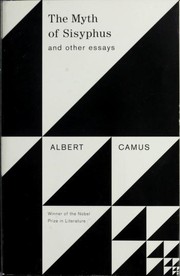 The Myth of Sisyphus and Other EssaysAlbert CamusA lyrical and defiant meditation on finding meaning and joy in a universe that refuses to offer any.
 L'être et le néantJean-Paul SartreA dense, dizzying plunge into the terrifying and exhilarating reality of absolute human freedom.
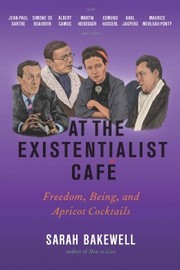 At the Existentialist CaféSarah BakewellPull up a chair at a bustling Parisian café and eavesdrop on the brilliant, messy minds who defined modern freedom.
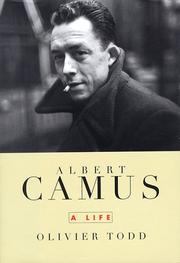 Albert CamusOlivier ToddA vibrant, deeply researched immersion into the sun-drenched youth, bitter conflicts, and intellectual passions of a complex literary icon.
 La nauséeSartre, Jean-Paul; Translated by Robert BaldickA visceral, diary-style descent into the overwhelming, suffocating realization that existence is entirely without inherent meaning.
 Sein und ZeitMartin HeideggerA dense, paradigm-shifting descent into the very fabric of existence that demands you unlearn everything you thought you knew about reality.