Books › L'être et le néant

L'être et le néant
918 pages
A dense, dizzying plunge into the terrifying and exhilarating reality of absolute human freedom.
What it feels like
Reading this foundational text is a formidable, intellectually dizzying experience that demands your full attention. The pace is deliberately steady, requiring you to wade through dense, phenomenological prose that meticulously deconstructs the nature of consciousness. Yet, just as you feel lost in abstract ontology, the text grounds you with striking, relatable vignettes—a waiter in a café, a voyeur looking through a keyhole—that suddenly illuminate the terrifying weight of human freedom. The mood is stark and uncompromising, steeped in the profound realization that we are condemned to be free. It is a deeply rewarding, paradigm-shifting journey for the patient, philosophically minded reader who wants to confront the raw, unvarnished reality of choice, responsibility, and the inescapable gaze of the Other.
- Mood
- stark
- contemplative
- dizzying
- weighty
- Tone
- rigorous
- uncompromising
- academic
- intense
- Pace
- steady
- Themes
- radical freedom · the burden of choice · existential dread · bad faith · the gaze of the Other
- The writing
- Dense, highly technical, and phenomenological, yet punctuated by striking, everyday metaphors that suddenly clarify complex abstractions.
- The arc
- Moves from the disorienting realization of absolute freedom to the heavy, sobering acceptance of total responsibility.
- Who it's for
- Patient, philosophically minded readers who crave deep, challenging inquiry and are willing to wrestle with the fundamental nature of human existence.
Content notes
- existential dread
About the book
In 1943, Jean-Paul Sartre published his masterpiece, Being and Nothingness, and laid the foundation of his legacy as one of the greatest twentieth century philosophers. A brilliant and radical account of the human condition, Being and Nothingness explores what gives our lives significance.
In a new and more accessible translation, this foundational text argues that we alone create our values and our existence is characterized by freedom and the inescapability of choice. Far from being an internal, passive container for our thoughts and experiences, human consciousness is constantly projecting itself into the outside world and imbuing it with meaning.
Now with a new foreword by Harvard professor of philosophy Richard Moran, this clear-eyed translation guarantees that the groundbreaking ideas that Sartre introduced in this resonant work will continue to inspire for generations to come.
Runtime: 38 hours and 26 minutes
Description from Open Library.
Books like L'être et le néant
See why they match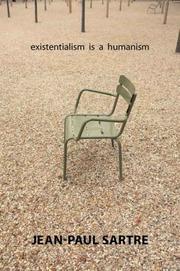 Existentialism Is a HumanismJean-Paul SartreA brisk, electrifying defense of human freedom that places the heavy, exhilarating burden of meaning squarely on your shoulders.
 Sein und ZeitMartin HeideggerA dense, paradigm-shifting descent into the very fabric of existence that demands you unlearn everything you thought you knew about reality.
 La nauséeSartre, Jean-Paul; Translated by Robert BaldickA visceral, diary-style descent into the overwhelming, suffocating realization that existence is entirely without inherent meaning.
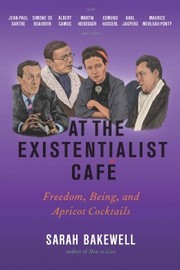 At the Existentialist CaféSarah BakewellPull up a chair at a bustling Parisian café and eavesdrop on the brilliant, messy minds who defined modern freedom.
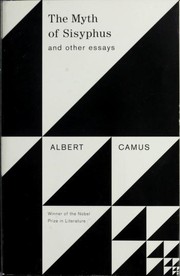 The Myth of Sisyphus and Other EssaysAlbert CamusA lyrical and defiant meditation on finding meaning and joy in a universe that refuses to offer any.
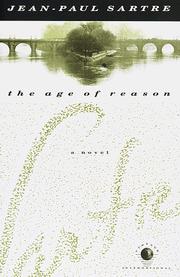 Age de raisonJean-Paul SartreA restless, smoke-filled wandering through late-1930s Paris, where the greatest terror is the crushing weight of one's own freedom.