Books › Fearing the Black Body
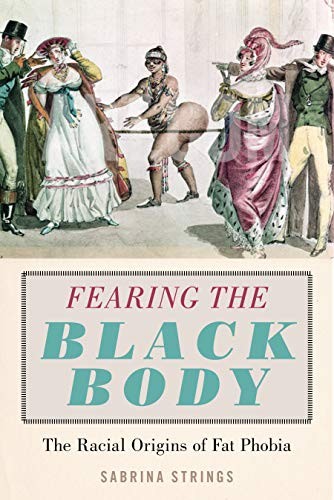
Fearing the Black Body
304 pages
A meticulously researched unearthing of the racist history behind modern diet culture and body policing.
What it feels like
Reading this book feels like putting on a pair of glasses that suddenly brings the blurry, toxic architecture of modern beauty standards into sharp, horrifying focus. The pace is steady and methodical, guiding you through centuries of art, philosophy, and medical journals with an authoritative, incisive tone. It is a sobering, intellectually rigorous experience that replaces vague cultural anxieties with hard, undeniable historical evidence. The prose is scholarly yet deeply accessible, building a meticulous case that leaves you feeling both righteously angry and profoundly illuminated. It will deeply satisfy readers who crave structural analysis over surface-level self-help, particularly those who loved Thick or Medical Apartheid, offering a transformative lens on how race, gender, and size intersect.
- Mood
- intellectually rigorous
- sobering
- revelatory
- righteous
- Tone
- scholarly
- incisive
- urgent
- authoritative
- illuminating
- Pace
- steady
- Themes
- intersectionality of race and size · historical roots of prejudice · policing of women's bodies · myth-busting medical bias · cultural construction of beauty
- The writing
- Academic yet accessible, meticulously researched, and structured with compelling, persuasive clarity.
- The arc
- Moves from a sense of historical curiosity to profound, righteous clarity as the deep-seated roots of modern prejudice are laid bare.
- Who it's for
- Readers seeking to dismantle their own internalized biases and understand the historical architecture of modern body policing.
Content notes
- fatphobia
- racism
- medical discrimination
- anti-Blackness
- eugenics discussions
About the book
There is an obesity epidemic in this country and poor black women are particularly stigmatized as “diseased” and a burden on the public health care system. This is only the most recent incarnation of the fear of fat black women, which Sabrina Strings shows took root more than two hundred years ago.
Strings weaves together an eye-opening historical narrative ranging from the Renaissance to the current moment, analyzing important works of art, newspaper and magazine articles, and scientific literature and medical journals―where fat bodies were once praised―showing that fat phobia, as it relates to black women, did not originate with medical findings, but with the Enlightenment era belief that fatness was evidence of “savagery” and racial inferiority.
The author argues that the contemporary ideal of slenderness is, at its very core, racialized and racist. Indeed, it was not until the early twentieth century, when racialized attitudes against fatness were already entrenched in the culture, that the medical establishment began its crusade against obesity. An important and original work, Fearing the Black Body argues convincingly that fat phobia isn’t about health at all, but rather a means of using the body to validate race, class, and gender prejudice.
Description from Open Library.
Books like Fearing the Black Body
See why they match Killing the black bodyDorothy RobertsAn unflinching, foundational text that radically reshapes how you understand bodily autonomy and systemic power.
 Medical apartheidHarriet A. WashingtonAn unflinching, meticulously documented excavation of the medical establishment's darkest historical betrayals and their lingering modern scars.
 HungerRoxane GayA fiercely intimate and unflinching exploration of trauma, weight, and the desperate search for safety within one's own skin.
 Fat is a feminist issueSusie OrbachA compassionate, paradigm-shifting exploration that transforms personal body struggles into a powerful feminist awakening.
 Algorithms of OppressionSafiya Umoja NobleA paradigm-shifting examination of the digital architecture that quietly shapes our reality and reinforces systemic prejudice.
 Sisters of the Yambell hooksA profound, healing exploration of how personal self-recovery fuels collective political resistance.