Books › Algorithms of Oppression

Algorithms of Oppression
How Search Engines Reinforce Racism
229 pages
A paradigm-shifting examination of the digital architecture that quietly shapes our reality and reinforces systemic prejudice.
What it feels like
Reading this book feels like taking the red pill for the digital age, permanently altering how you view the seemingly neutral tools you use every day. The pace is steady and methodical, building a devastatingly clear argument through rigorous research and undeniable evidence. There is a sobering, unsettling mood that permeates the text as the illusion of algorithmic objectivity is systematically dismantled. The prose is academic but highly accessible, driven by an urgent, impassioned tone that demands attention. It is an infuriating but necessary journey that moves from shocking initial discoveries to a broad, structural critique of tech monopolies. This is essential reading for anyone who wants to understand the invisible digital forces shaping society, delighting critical thinkers, tech ethicists, and intersectional feminists alike.
- Mood
- unsettling
- eye-opening
- sobering
- thought-provoking
- Tone
- analytical
- urgent
- authoritative
- critical
- impassioned
- Pace
- steady
- Themes
- the myth of digital neutrality · systemic racism in tech · intersectional feminism · technological redlining · corporate accountability
- The writing
- Rigorous and academic yet deeply accessible, blending meticulous research with clear, persuasive argumentation.
- The arc
- Moves from a shocking personal realization to a methodical, infuriating exposure of systemic bias, ending with an urgent call for structural change.
- Who it's for
- Readers who want to look under the hood of the digital world and understand how technology reinforces societal inequalities.
Content notes
- racism
- sexism
- misogynoir
- discussions of pornography
About the book
A revealing look at how negative biases against women of color are embedded in search engine results and algorithms Run a Google search for "black girls"-what will you find? "Big Booty" and other sexually explicit terms are likely to come up as top search terms. But, if you type in "white girls," the results are radically different. The suggested porn sites and un-moderated discussions about "why black women are so sassy" or "why black women are so angry" presents a disturbing portrait of black womanhood in modern society. In Algorithms of Oppression, Safiya Umoja Noble challenges the idea that search engines like Google offer an equal playing field for all forms of ideas, identities, and activities. Data discrimination is a real social problem; Noble argues that the combination of private interests in promoting certain sites, along with the monopoly status of a relatively small number of Internet search engines, leads to a biased set of search algorithms that privilege whiteness and discriminate against people of color, specifically women of color. Through an analysis of textual and media searches as well as extensive research on paid online advertising, Noble exposes a culture of racism and sexism in the way discoverability is created online. As search engines and their related companies grow in importance-operating as a source for email, a major vehicle for primary and secondary school learning, and beyond-understanding and reversing these disquieting trends and discriminatory practices is of utmost importance.
Description from Open Library.
Books like Algorithms of Oppression
See why they match Race After TechnologyRuha BenjaminA sharp, eye-opening dismantling of the myth that algorithms and emerging technologies are inherently neutral.
 The Filter BubbleEli PariserAn eye-opening and slightly unsettling journey into the invisible algorithmic walls shaping our digital reality.
 Automating InequalityVirginia EubanksA sobering, urgent investigation into how modern algorithms encode and amplify bureaucratic cruelty against the most vulnerable.
 Invisible WomenCaroline Criado PerezAn infuriating, deeply validating avalanche of data proving the modern world was literally built around the default male.
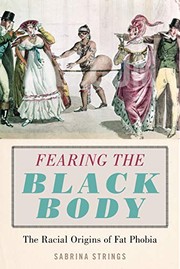 Fearing the Black BodySabrina StringsA meticulously researched unearthing of the racist history behind modern diet culture and body policing.
 Weapons of Math DestructionCathy O'NeilAn urgent, eye-opening exploration of how invisible algorithms quietly dictate our lives and reinforce societal inequalities.