Books › Field notes from a catastrophe

Field notes from a catastrophe
305 pages
A sobering, globe-trotting journalistic investigation into the terrifying realities of a warming planet.
What it feels like
Reading this book feels like taking a sobering, globe-trotting journey to the front lines of an unfolding crisis. The narrative moves at a steady, deliberate pace, blending rigorous scientific explanation with urgent, boots-on-the-ground reportage. The tone is distinctly journalistic—clear, objective, yet increasingly alarming as the sheer scale of environmental collapse comes into focus. There is a pervasive mood of ominous dread that builds as the text shifts from melting Arctic ice sheets to the political inaction that allows the devastation to continue. The prose is sharp and accessible, translating complex climatology and historical parallels into a deeply human story. It is a compelling, essential read for anyone drawn to hard-hitting environmental journalism and willing to confront the stark realities of our changing world.
- Mood
- sobering
- ominous
- dread-soaked
- Tone
- urgent
- journalistic
- serious
- alarming
- Pace
- steady
- Themes
- environmental collapse · scientific inquiry · political inaction · the human cost of climate change
- The writing
- Clear, journalistic, and deeply researched, translating complex science and politics into accessible, urgent narratives.
- The arc
- Moves from objective scientific observation to a profound, unsettling realization of impending global catastrophe.
- Who it's for
- Readers who appreciate rigorous, boots-on-the-ground environmental journalism and want a clear-eyed look at the realities of climate change.
Content notes
- climate anxiety
- environmental destruction
- existential dread
About the book
"New Yorker writer Kolbert tackles the controversial subject of global warming. Americans have been warned since the late 1970s that the buildup of carbon dioxide in our atmosphere threatens to melt the polar ice sheets and irreversibly change our climate. With little done since then to alter this dangerous course, now is the moment to salvage our future. By the end of the century, the world will likely be hotter than it's been in the last two million years, and the sweeping consequences of this change will determine the future of life on earth for generations to come. Kolbert approaches this monumental problem from every angle. She travels to the Arctic, interviews researchers and environmentalists, explains the science and the studies, draws frightening parallels to lost ancient civilizations, unpacks the politics, and presents the personal tales of those who are being affected most--the people who make their homes near the poles and are watching their worlds disappear."--
Description from Open Library.
Books like Field notes from a catastrophe
See why they match The Sixth ExtinctionElizabeth KolbertA sobering, globe-trotting journey through deep time and fragile ecosystems that fundamentally alters how you view humanity's footprint.
 Losing EarthNathaniel RichA gripping, infuriating historical thriller about the decade we almost saved the world, and the human flaws that stopped us.
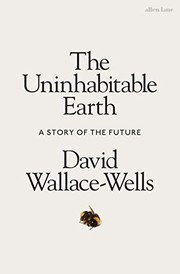 The Uninhabitable EarthDavid Wallace-WellsA relentless, white-knuckled plunge into the terrifying realities of our climate future that demands you look away from nothing.
 Under a White SkyElizabeth KolbertA wry, sobering travelogue through the bizarre, highly engineered landscapes of the Anthropocene.
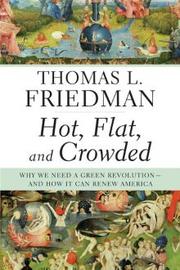 Hot, flat, and crowdedThomas L. FriedmanA sweeping, anecdote-rich wake-up call that transforms climate anxiety into a blueprint for global innovation.
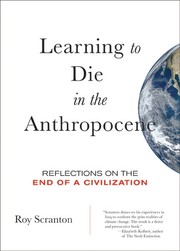 Learning to die in the AnthropoceneRoy ScrantonA fierce, concise, and philosophical confrontation with the grim realities of climate change that ultimately searches for a reimagined humanism.